Call Me: (317) 721-3346

What Is a Trans Woman?
Understanding trans women vs intersex women is essential for anyone who wants accurate, respectful, and informed knowledge about gender identity and biological diversity. Although both groups fall under the broad umbrella of women with unique experiences, the reasons behind those experiences differ. This guide breaks down the distinctions between trans women vs intersex women with expanded details, lists, and examples to help clarify identity, biology, and common misunderstandings.
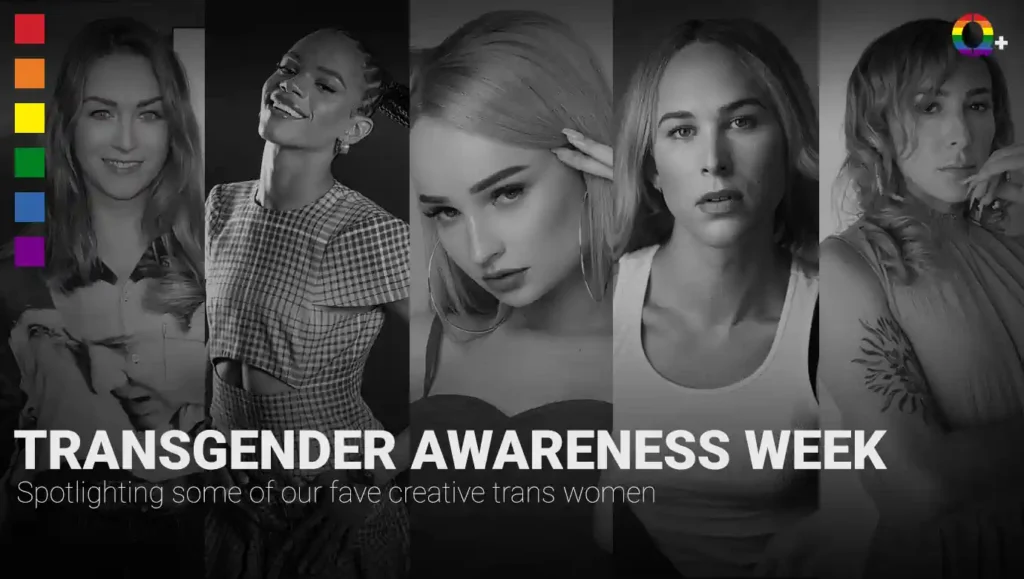
A trans woman is a woman who was assigned male at birth but identifies and lives as female. When comparing trans women vs intersex women, trans women are defined primarily by gender identity rather than biological traits.
A trans woman is a woman who was assigned male at birth but identifies and lives as female. When comparing trans women vs intersex women, trans women are defined primarily by gender identity rather than biological traits.
Key Characteristics of Trans Women
- Gender identity: Their internal sense of self is female.
- Assigned sex at birth: Typically male.
- Transition options:
- Social transition (name, pronouns, clothing, presentation)
- Medical transition (hormone therapy, surgeries)
- Legal transition (ID changes, gender marker updates)
- Not dependent on anatomy: A trans woman is a woman regardless of surgeries.
- Varied experiences: Every trans woman’s journey is unique.
Common Reasons Trans Women Transition
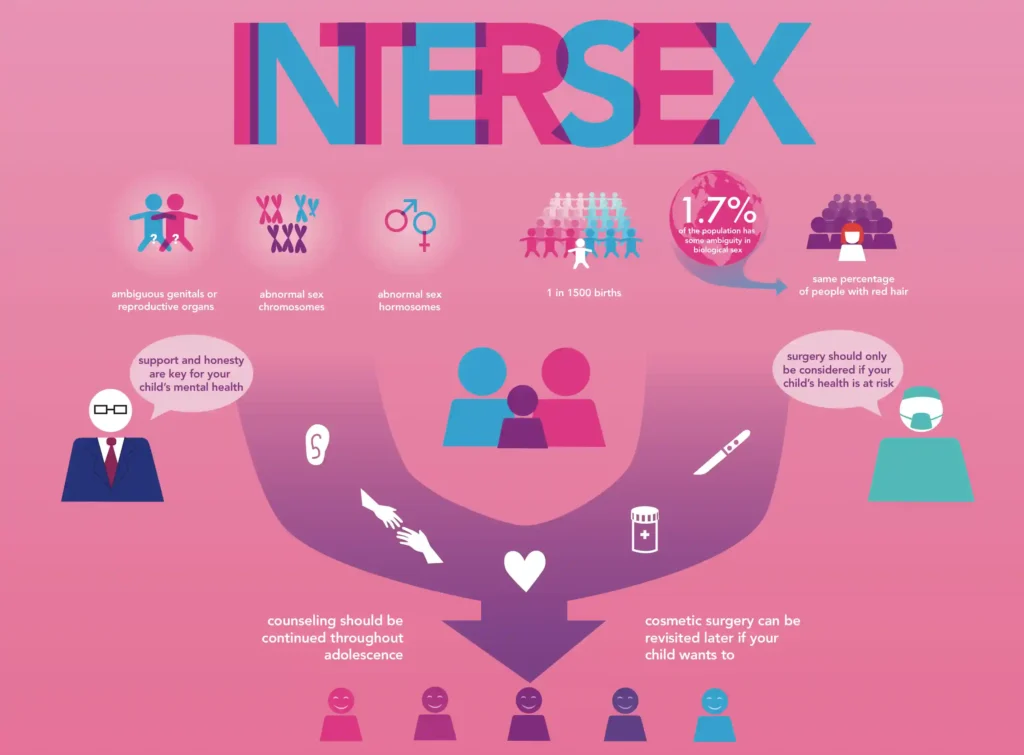
An intersex woman is a woman born with natural variations in sex characteristics such as chromosomes, hormones, or reproductive anatomy. In the context of trans women vs intersex women, intersex women are defined by biology, not identity. Their gender identity may be female, male, or nonbinary, but here we focus on intersex individuals who identify as women.
Biological Traits That May Occur in Intersex Women
- Chromosomal variations:
- XXY
- Mosaic patterns
- Other atypical combinations
- Hormonal variations:
- Differences in testosterone or estrogen levels
- Androgen insensitivity
- Anatomical variations:
- Atypical reproductive organs
- Differences in genital development
- Natural diversity: Intersex traits occur in about 1–2% of the population.
Common Experiences of Intersex Women
- Medical testing or surgeries in childhood or adolescence
- Privacy concerns about their bodies
- Misunderstandings about biological sex
- Difficulty accessing accurate medical information
Trans Women vs Intersex Women: Identity vs Biology
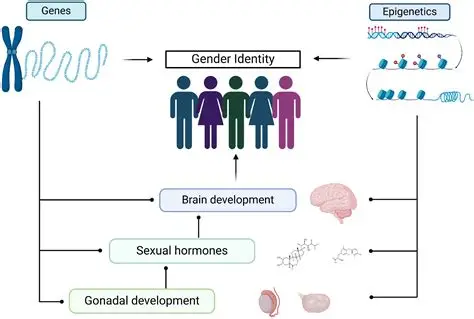
The core difference between trans women vs intersex women lies in identity versus biology. Trans women are women because their gender identity is female. Intersex women are women whose bodies developed with intersex traits, which are biological variations.
Identity-Based Differences
- Trans women identify as female regardless of anatomy.
- Intersex women may identify as female, male, or nonbinary.
- Identity is internal and psychological.
Biology-Based Differences
- Intersex women have natural variations in sex characteristics.
- Trans women typically have typical male sex characteristics at birth.
- Biology does not determine gender identity.
How Experiences Differ for Trans Women vs Intersex Women

Although both groups may face misunderstanding or discrimination, their experiences differ significantly. Understanding these differences helps clarify why trans women vs intersex women should not be treated as interchangeable.
Common Experiences of Trans Women
- Legal documentation updates
- Social transition challenges
- Medical transition decisions
- Gender dysphoria management
- Public misunderstanding or stigma
Common Experiences of Intersex Women
- Medical interventions in childhood
- Confusion about biological sex categories
- Privacy concerns about anatomy
- Difficulty accessing intersex‑specific healthcare
- Mislabeling or misunderstanding by others
Shared Experiences
- Need for respectful language
- Facing stereotypes or misinformation
- Advocating for bodily autonomy
- Seeking supportive communities
Misconceptions About Trans vs Intersex Women

Many misconceptions arise from confusing identity with biology. Clarifying these misunderstandings helps create more respectful conversations.
Misconceptions About Trans Women
- That surgeries define womanhood
- That trans women and intersex women are “the same”
- That gender identity is a choice
- That trans women must transition medically to be valid
Misconceptions About Intersex Women
- That intersex traits are extremely rare
- That intersex automatically means nonbinary
- That intersex people are “born both sexes”
- That intersex traits always require surgery
Misconceptions About Both Groups
- That anatomy alone determines gender
- That biological sex is strictly binary
- That identity and biology must match perfectly
Conclusion: Understanding the Difference Matters
When comparing trans women vs intersex women, the most important takeaway is that these two groups are distinct in how their identities and experiences form. Trans women are women because their gender identity is female, regardless of the sex they were assigned at birth. Intersex women are women whose bodies developed with natural biological variations, yet their gender identity may still be female.
Recognizing these differences helps create more accurate, respectful conversations about gender and biology. It also supports both communities by reducing stigma, correcting misinformation, and encouraging empathy. Understanding the nuances of trans women vs intersex women allows us to move beyond oversimplified labels and appreciate the full diversity of human experience.
Ultimately, learning about these distinctions strengthens inclusivity, improves communication, and fosters environments where all women—trans, intersex, and cisgender—can be understood and respected. Clear knowledge leads to better support, better policies, and better relationships in everyday life.