Call Me: (317) 721-3346

Lipedema: Understanding the Symptoms
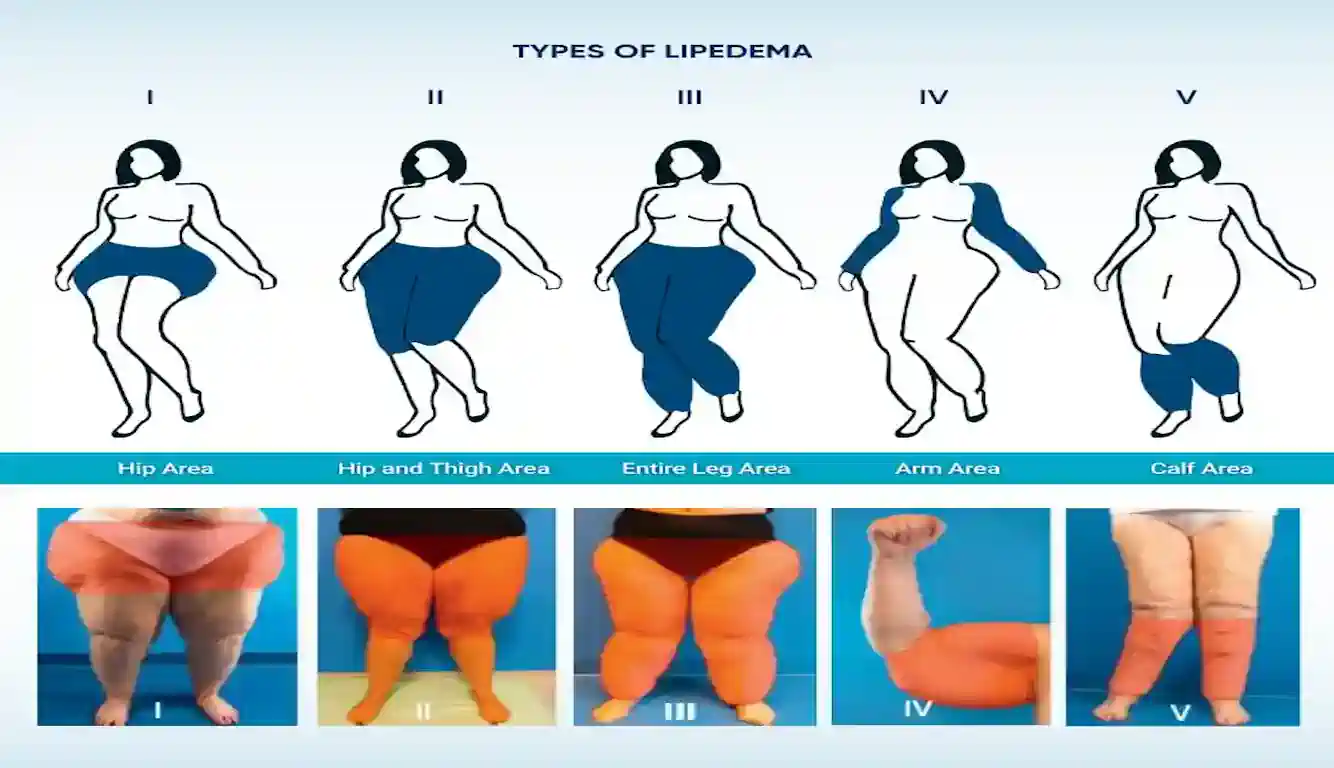
Lipedema is a chronic medical condition characterized by an abnormal accumulation of fatty tissue, primarily affecting the legs, thighs, hips, and sometimes the arms. Although frequently mistaken for obesity or ordinary weight gain, this condition involves changes in fatty tissue that can cause pain, tenderness, swelling, and mobility difficulties.
Understanding the warning signs, possible causes, and available treatments can help individuals recognize the condition earlier and seek appropriate medical care. While there is currently no established cure, effective symptom management can significantly improve comfort and quality of life.
1. What Is Lipedema?
This disorder of fatty tissue occurs almost exclusively in women. It typically causes symmetrical enlargement of the lower body, meaning both legs are affected in a similar way.
Unlike ordinary fat accumulation, affected tissue may be painful when touched and can bruise easily. Many individuals notice that their legs remain disproportionately large even after losing weight elsewhere.
Commonly affected areas include:
- Hips and buttocks
- Upper and lower thighs
- Calves and lower legs
- Upper arms in some individuals
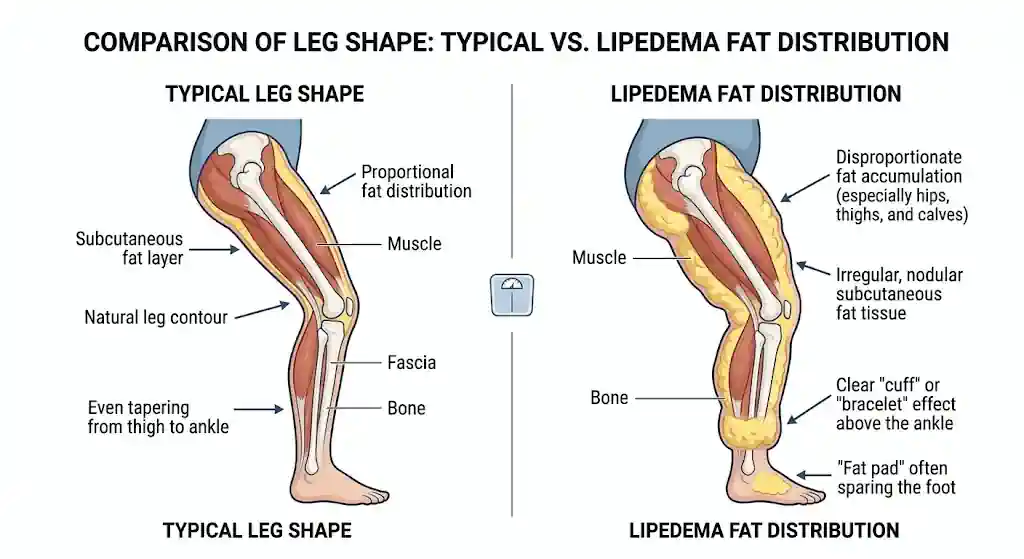
One distinctive characteristic is that the feet are usually spared, creating a noticeable difference between the ankles and lower legs.
2. Common Signs and Symptoms of Lipedema
Recognizing symptoms can be challenging because several other medical conditions cause similar changes in body shape. However, certain characteristics are particularly common.
Physical Symptoms
- Symmetrical fat accumulation: Both legs usually increase in size proportionately.
- Painful fatty tissue: Affected areas may feel tender, sensitive, or uncomfortable.
- Easy bruising: Minor bumps can cause noticeable bruises.
- Heavy legs: Individuals frequently describe their legs as tired or unusually heavy.
- Skin texture changes: The skin may become uneven, dimpled, or nodular.
- Ankle cuffing: Enlarged fatty tissue may end abruptly above the ankles.
Symptoms vary considerably between individuals. Some experience mild discomfort, while others develop significant pain that interferes with everyday activities.
3. What Causes Lipedema?
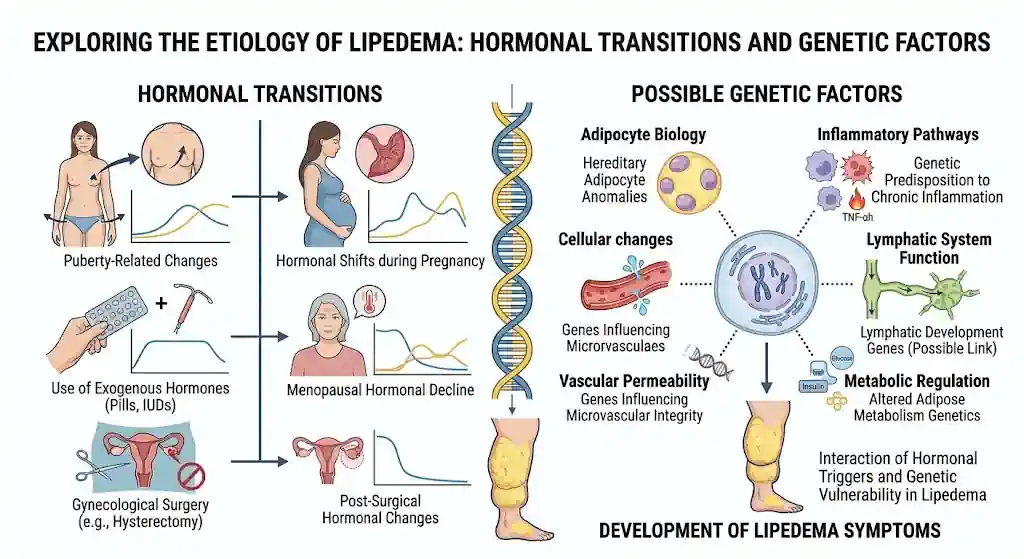
The exact cause remains uncertain, although researchers believe hormonal influences and genetic factors contribute to its development.
The condition frequently becomes noticeable during periods of hormonal change, including:
- Puberty
- Pregnancy
- Menopause
- Other significant hormonal transitions
A family history is also common, suggesting that inherited characteristics may increase susceptibility.
Importantly, this condition is not simply caused by overeating, poor dietary habits, or insufficient physical activity.
Although excess body weight can worsen certain symptoms, individuals of different body sizes may develop the disorder.
Further research is needed to understand the underlying biological mechanisms and identify more effective treatments.
4. Understanding the Four Stages of Lipedema
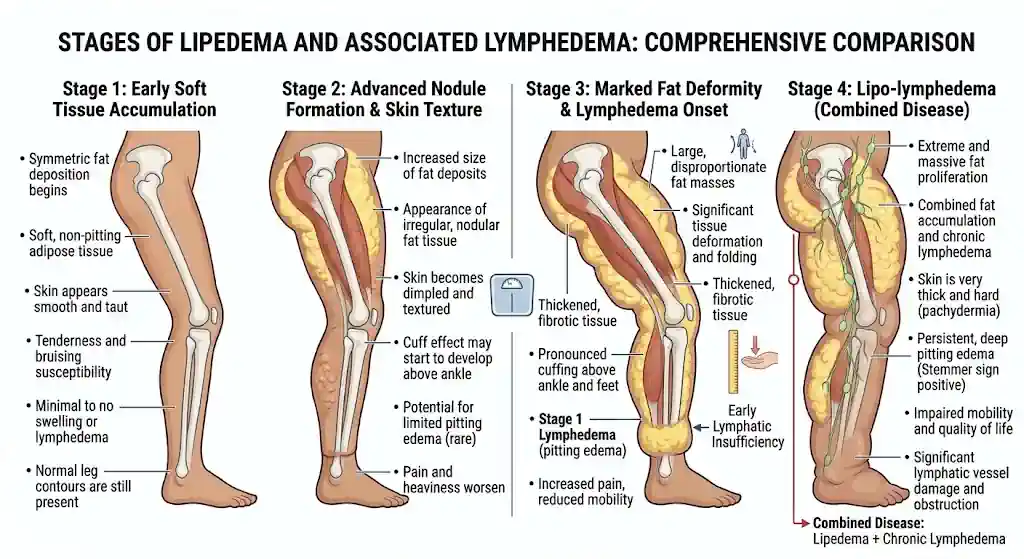
Healthcare professionals often describe the condition using stages based on changes in skin appearance and fatty tissue structure.
Stage 1: Early Changes
The skin generally appears smooth, but the fatty tissue underneath becomes enlarged. Small nodules may be noticeable beneath the surface.
Stage 2: Uneven Skin Texture
The skin develops a more irregular appearance, sometimes resembling cellulite. Larger fatty nodules become increasingly noticeable.
Stage 3: Significant Tissue Enlargement
Large deposits and folds of fatty tissue may develop around the thighs, knees, or legs. These changes can interfere with movement and daily activities.
Stage 4: Associated Lymphatic Swelling
Some classification systems describe a fourth stage in which significant lymphedema develops alongside the underlying fatty tissue disorder. This combination is sometimes called lipolymphedema.
Not everyone progresses through these stages, and the stage does not necessarily reflect the severity of pain.
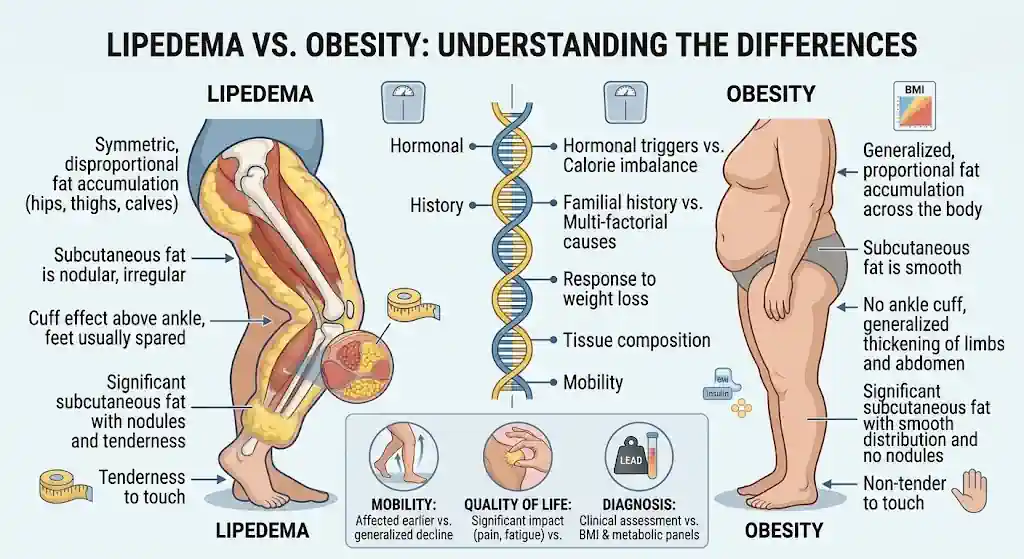
5. Lipedema vs. Obesity: Understanding the Differences
One reason this condition is frequently misunderstood is its resemblance to ordinary weight gain. However, important differences exist.
Characteristics of Ordinary Obesity
- Fat may accumulate throughout the body.
- Weight reduction generally decreases overall fat stores.
- Fatty tissue is not typically painful.
- Easy bruising is not a defining feature.
Characteristics of the Fatty Tissue Disorder
- Fat accumulation commonly affects the legs and hips disproportionately.
- Affected areas may remain enlarged despite weight loss.
- Pain and tenderness are frequently reported.
- Bruising may occur easily.
- Both legs are usually affected symmetrically.
It is also possible to experience obesity and this condition simultaneously. Therefore, body weight alone cannot determine whether someone has the disorder.
6. How Is Lipedema Diagnosed?
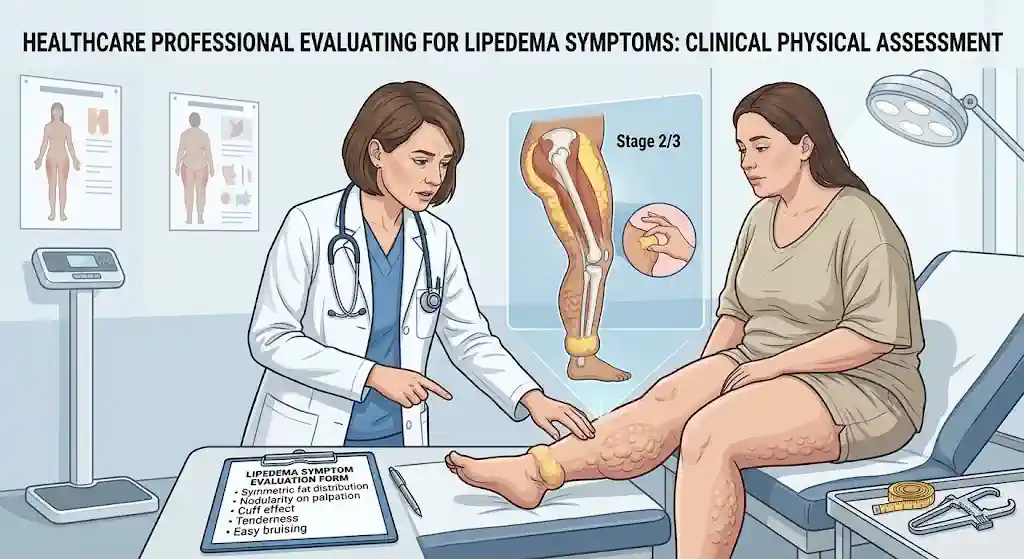
Diagnosis generally requires a detailed medical history and physical examination by a healthcare professional familiar with the condition.
There is currently no single blood test or imaging study that definitively confirms the diagnosis.
During an evaluation, a healthcare provider may assess:
- Distribution of fatty tissue
- Pain and tenderness
- Bruising history
- Family medical history
- Skin texture and tissue changes
- Whether the feet are affected
- Presence of swelling or other circulatory symptoms
Additional testing may be recommended to exclude conditions such as lymphedema or venous disease.
Early recognition can help individuals receive appropriate treatment and avoid unnecessary frustration from misdiagnosis.
7. Treatment Options for Lipedema
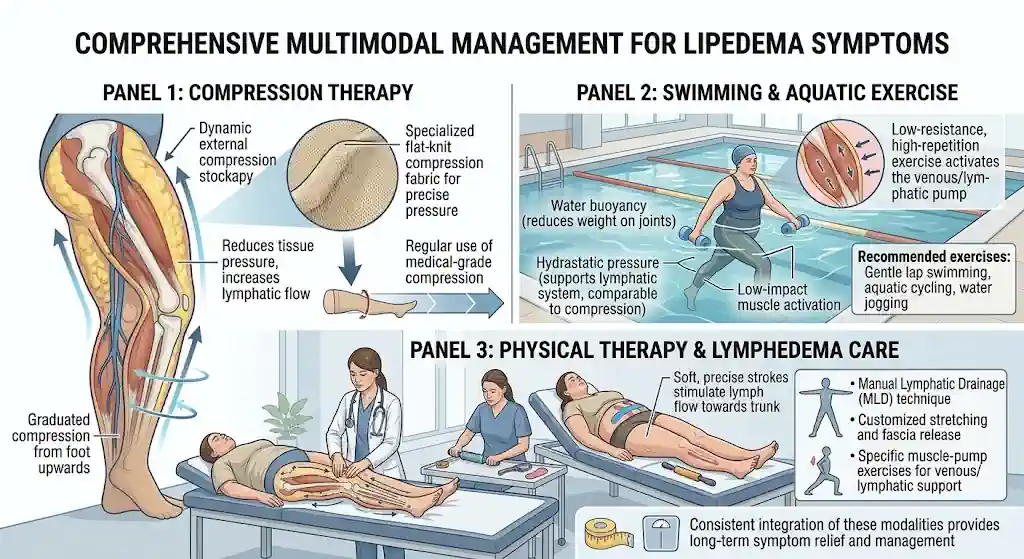
Although there is currently no established cure, several treatment approaches may reduce symptoms, improve mobility, and support everyday functioning.
Compression Therapy
Properly fitted compression garments may help reduce discomfort, support affected tissues, and manage associated swelling.
Low-Impact Physical Activity
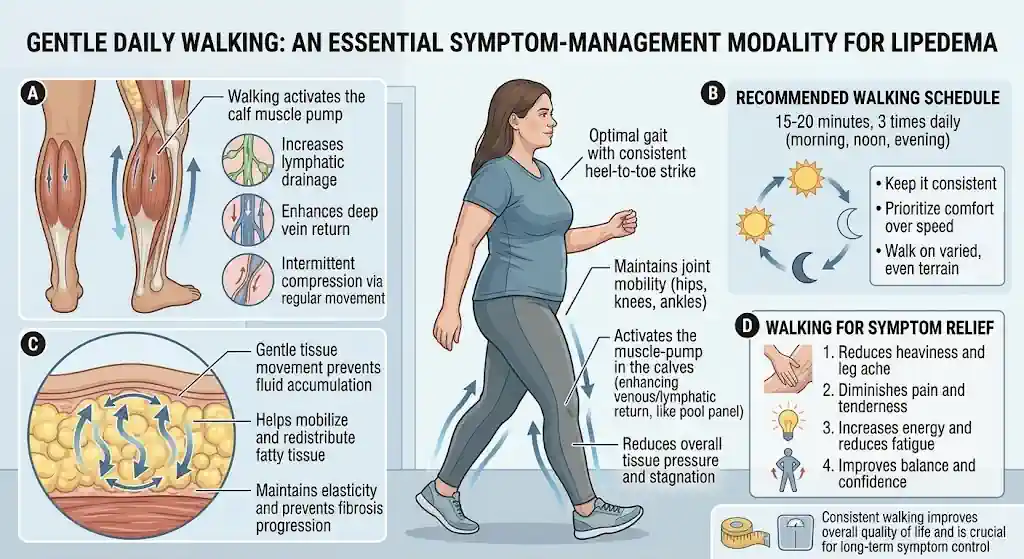
Exercise helps maintain cardiovascular health, muscle strength, and joint mobility.
Beneficial activities may include:
- Swimming
- Water aerobics
- Walking
- Cycling
- Gentle resistance training
Physical Therapy
Specialized physical therapy can improve movement, address functional limitations, and help manage swelling when present.
Nutritional Support
A balanced eating plan supports overall health and weight management. However, no particular diet has been proven to eliminate affected fatty tissue.
Specialized Liposuction
In selected patients, specialized liposuction may reduce abnormal fatty tissue and improve pain or mobility.
However, surgery carries risks, results vary, and additional procedures may be necessary. Treatment decisions should involve qualified specialists.
8. Living With Lipedema: Everyday Management Tips
Managing this condition often requires a combination of medical guidance, practical lifestyle adjustments, and ongoing symptom monitoring.
Helpful strategies include:
- Stay physically active: Choose activities that minimize joint discomfort.
- Wear prescribed compression garments: Use properly fitted garments when recommended.
- Maintain balanced nutrition: Focus on sustainable eating habits rather than extreme dieting.
- Monitor symptoms: Record changes in pain, swelling, bruising, or mobility.
- Protect skin health: Keep skin clean and moisturized, particularly around folds.
- Seek emotional support: Chronic pain and changes in body appearance can affect mental well-being.
Regular follow-up with knowledgeable healthcare professionals can help individuals adjust treatment as their needs change.
9. Why Early Awareness Matters
Awareness of Lipedema is important because symptoms are sometimes dismissed as ordinary weight gain.
Delayed recognition may lead to prolonged discomfort, inappropriate treatment recommendations, and unnecessary emotional distress.
Learning to recognize characteristic symptoms can encourage earlier evaluation and help distinguish the condition from other disorders.
Persistent leg pain, unusual bruising, disproportionate fat accumulation, or unexplained swelling deserves professional medical assessment.
Sudden swelling, especially in one leg, or swelling accompanied by redness, warmth, or severe pain requires prompt medical attention because it may indicate another serious condition.
10. Final Thoughts: Understanding Lipedema
This condition is more than a cosmetic concern. It is a chronic disorder that can affect physical comfort, mobility, emotional well-being, and everyday activities.
Although researchers continue investigating its causes and potential treatments, current management approaches can help many individuals reduce symptoms and maintain active lifestyles.
Recognizing the warning signs, obtaining an accurate diagnosis, and developing an individualized care plan are important steps toward long-term symptom management.
With appropriate medical support and greater public awareness, individuals living with this condition can make informed decisions about their health and quality of life.