Call Me: (317) 721-3346

Best Tap Water in the United States
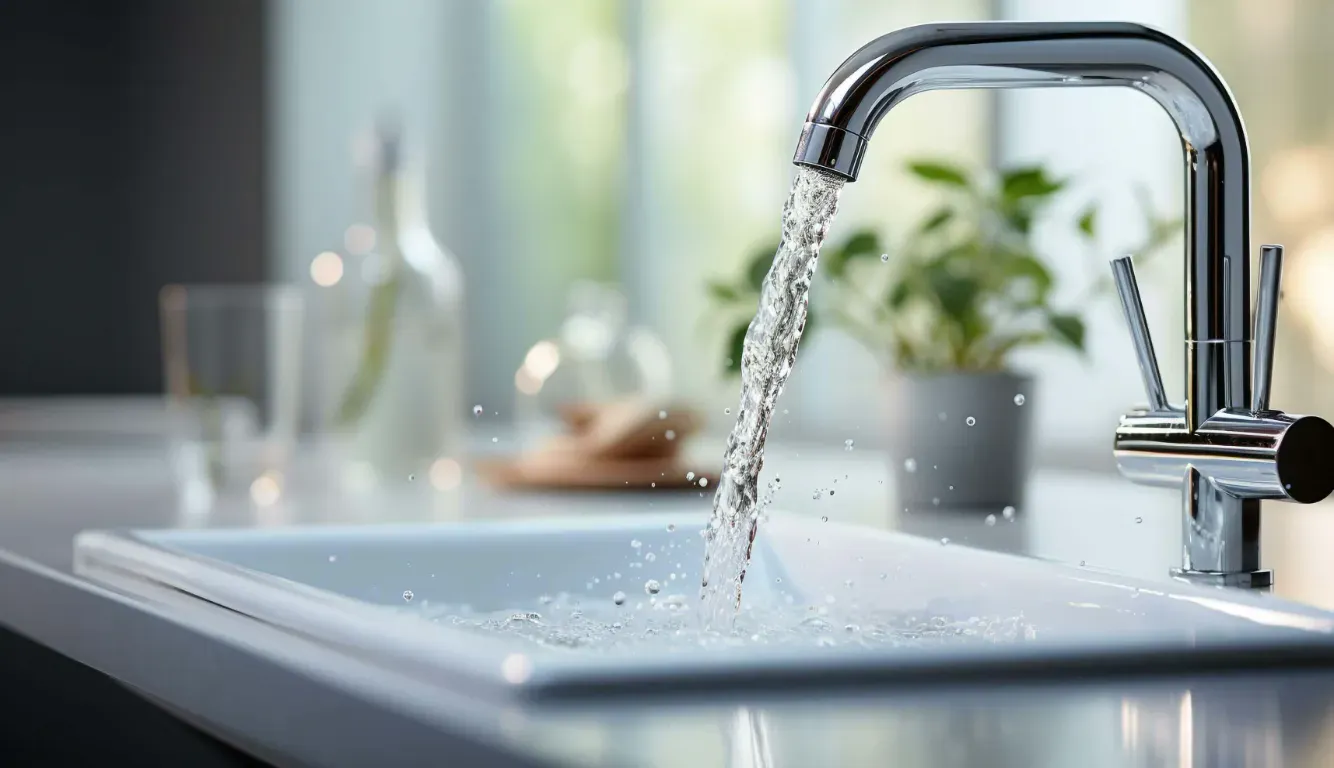
Clean drinking water is essential for good health, cooking, hydration, and everyday life. Although public water systems across the United States must meet applicable federal drinking water standards, quality can vary depending on water sources, treatment methods, plumbing, and environmental conditions.
When researching the best tap water in the United States, several states are worth considering, including Hawaii, Oregon, Vermont, Minnesota, and New Hampshire. However, no universally accepted official ranking identifies one state as the clear winner. Local water quality reports provide the most reliable information about the water delivered to individual households.
1. Hawaii: Naturally Filtered Water Sources
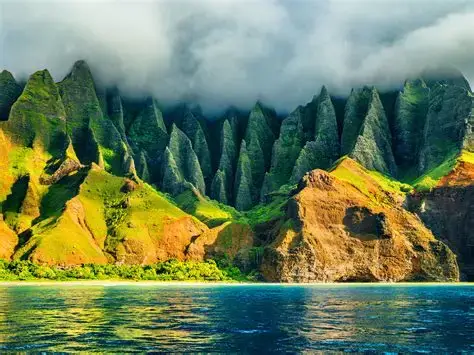
Hawaii has a unique landscape that helps supply communities with freshwater. Rainfall filters through volcanic rock and replenishes underground aquifers, which provide drinking water for many residents.
Important factors affecting Hawaiian drinking water include:
- Natural groundwater and volcanic rock formations.
- Rainfall that replenishes underground aquifers.
- Water treatment and regular quality monitoring.
- Potential local concerns such as saltwater intrusion and land-use contamination.
These natural advantages do not guarantee identical water quality everywhere. Residents should consult their water supplier’s annual report for testing results and potential concerns.
2. Oregon: Freshwater Resources and Protected Watersheds
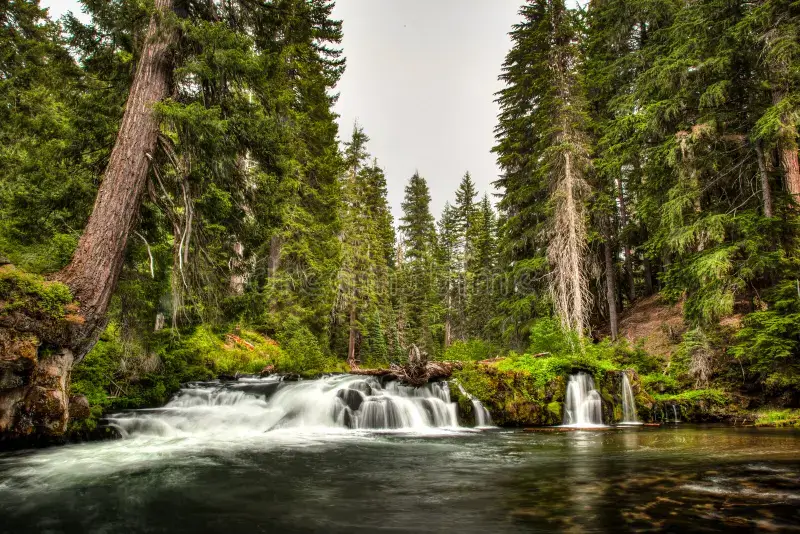
Oregon benefits from mountain streams, rivers, rainfall, and protected natural areas. These resources support drinking water supplies in cities and rural communities. Portland, for example, receives much of its drinking water from protected watershed sources.
Reasons Oregon is worth considering include:
- Mountain watersheds and freshwater sources.
- Protected land surrounding some drinking water supplies.
- Water treatment and monitoring programs.
- Natural resources that support long-term water supply planning.
Wildfires, agricultural runoff, and aging infrastructure can still affect local supplies. Water quality ultimately depends on the condition of each watershed and the performance of its treatment system.
3. Vermont: Mountain Watersheds and Rural Water Supplies
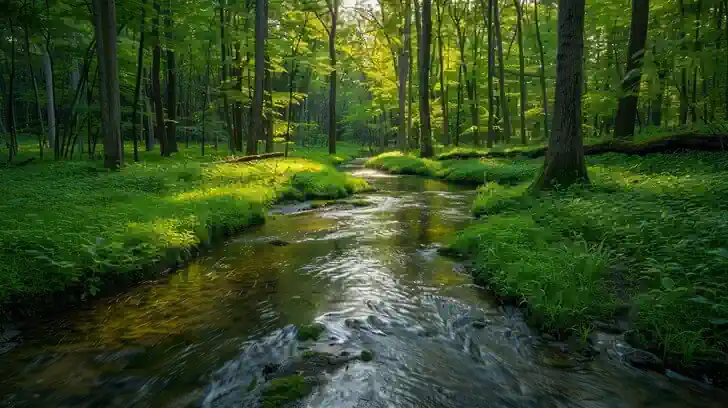
Vermont’s mountains, forests, lakes, and rivers provide important freshwater resources. Many communities use groundwater or surface water, while surrounding natural areas can help protect drinking water sources from certain types of pollution.
Some important considerations include:
- Forested watersheds and natural freshwater sources.
- Public water systems that monitor and treat drinking water.
- Private wells that require independent testing.
- Potential contaminants such as bacteria and naturally occurring arsenic.
Clean-looking water is not necessarily free from contaminants. Private well owners should arrange regular testing based on local risks and recommendations.
4. Minnesota: The Land of Lakes
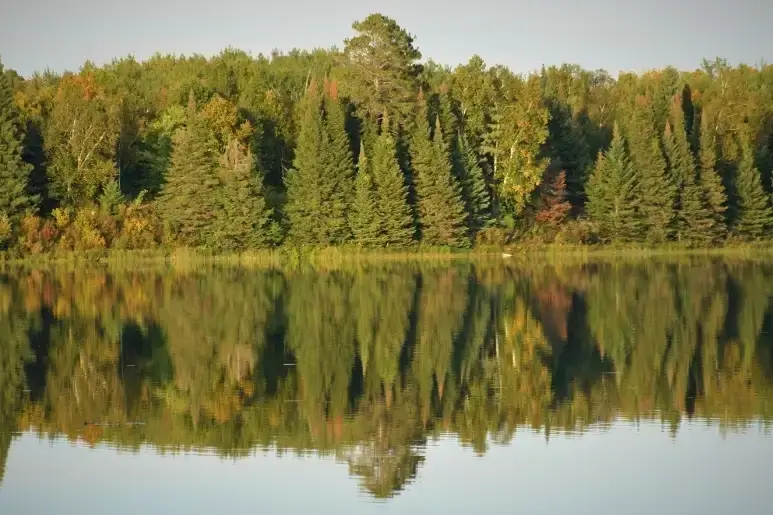
Minnesota is famous for its lakes and extensive freshwater resources. Communities obtain drinking water from groundwater, rivers, and lakes, depending on local geography and infrastructure.
Minnesota’s water supplies can benefit from:
- Access to substantial freshwater resources.
- Established municipal water treatment systems.
- Routine monitoring of public drinking water.
- Water management programs intended to protect supplies.
However, agricultural runoff, naturally occurring minerals, and other contaminants can affect specific locations. The number of lakes in a state does not automatically determine drinking water quality.
5. New Hampshire: Natural Water Resources
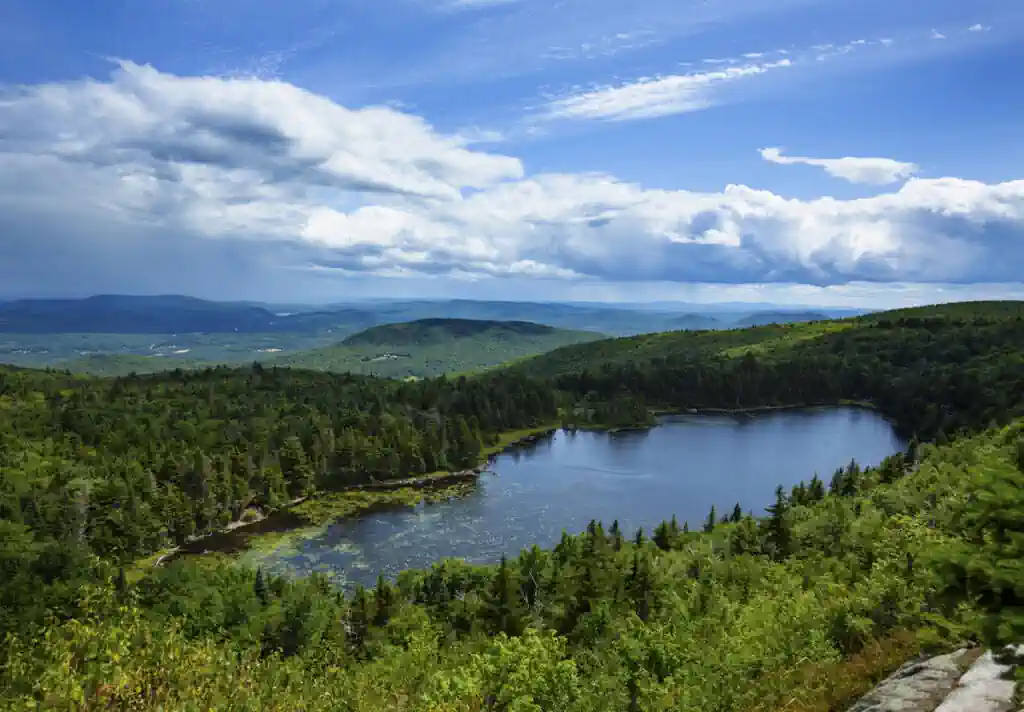
New Hampshire features mountain watersheds, forests, lakes, and rivers that contribute to local drinking water supplies. Protected land around some water sources can help reduce the risk of pollution entering the supply.
Factors that support local water quality include:
- Natural lakes, rivers, and groundwater resources.
- Forested areas surrounding some water sources.
- Water utility testing and appropriate treatment.
- Efforts to identify and manage local contamination risks.
Water quality still varies between communities. Older plumbing and naturally occurring substances can create concerns in particular locations, so residents should review local water quality reports.
6. Other States Worth Considering
Other states worth researching for drinking water quality include:
- Maine: Extensive forested areas and freshwater resources.
- Michigan: Access to the Great Lakes and other freshwater sources.
- Alaska: Numerous rivers, lakes, and groundwater sources.
- South Dakota: Groundwater and surface-water supplies that vary by region.
- North Carolina: Reservoirs, rivers, and groundwater used by communities.
These states should not be treated as a definitive ranking. Independent studies use different criteria, including contaminant measurements, regulatory violations, water taste, and infrastructure quality. Results can therefore differ significantly between reports.
What Makes Tap Water High Quality?
Several factors help determine whether drinking water is suitable for everyday use:
- Contaminant levels: Testing checks for substances such as lead, arsenic, nitrates, and harmful microorganisms.
- Treatment and monitoring: Water utilities use appropriate treatment processes and monitoring to maintain compliance with drinking water standards.
- Infrastructure: Old pipes and household plumbing can introduce lead or copper after water leaves a treatment facility.
- Source protection: Protected watersheds, wetlands, and aquifers can help limit pollution entering drinking water supplies.
- Taste and odor: Minerals and disinfectants can affect flavor without necessarily indicating a health problem. Good taste alone does not prove that water is safe.
- Consistent testing: Routine sampling helps water providers identify potential problems and respond appropriately.
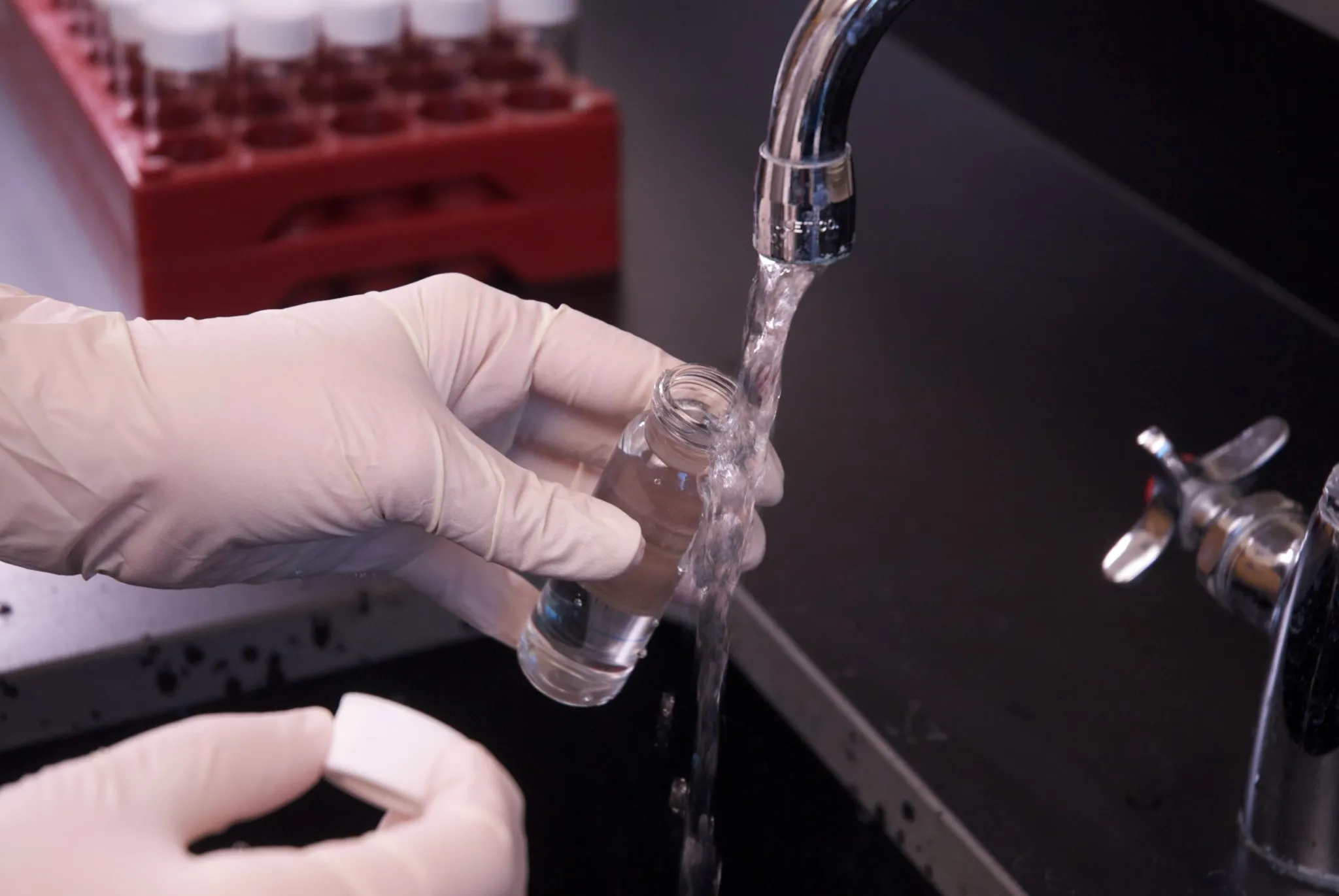
To determine whether your household receives the best tap water in the United States, start by checking the latest report from your local water supplier. Statewide reputations cannot tell you exactly what is coming out of your kitchen faucet.
Use these steps to investigate your drinking water:
- Find your water provider: Identify the utility that supplies your home.
- Read the annual report: Review the Consumer Confidence Report for information about sources, testing, and detected regulated contaminants.
- Check for violations: Look for reported compliance problems and follow any instructions from your utility.
- Test private wells: Arrange testing through a qualified laboratory if your home uses a private well.
- Investigate plumbing: If your home has older pipes, ask about potential lead or copper exposure.
- Choose filters carefully: Select a certified filter designed to reduce the specific contaminant you are concerned about.
The Environmental Protection Agency (EPA) provides information about Consumer Confidence Reports, also known as annual drinking water quality reports. Visit the EPA Consumer Confidence Report website to find information about your local water supply.
Private wells are generally not covered by the federal regulations that apply to public water systems. Testing recommendations may vary according to local geology and nearby land use.
If your water changes color, develops an unusual odor, or is covered by a boil-water advisory, contact your water provider or local health department for guidance. Follow official instructions before using the water for drinking or cooking.
Final Thoughts
Choosing the best tap water in the United States requires more than looking at state rankings or natural scenery. Hawaii, Oregon, Vermont, Minnesota, and New Hampshire have water resources worth exploring, but no state can guarantee that every community and household has identical water quality.
Reliable drinking water depends on protected sources, effective treatment, maintained infrastructure, and regular monitoring. Reviewing your local water report is one of the most practical ways to understand your household’s supply.
Clean drinking water is a valuable public resource. By protecting watersheds, maintaining pipes, improving treatment facilities, and testing water regularly, communities can help safeguard their supplies for current residents and future generations.