Call Me: (317) 721-3346

Kegel Exercises for Women
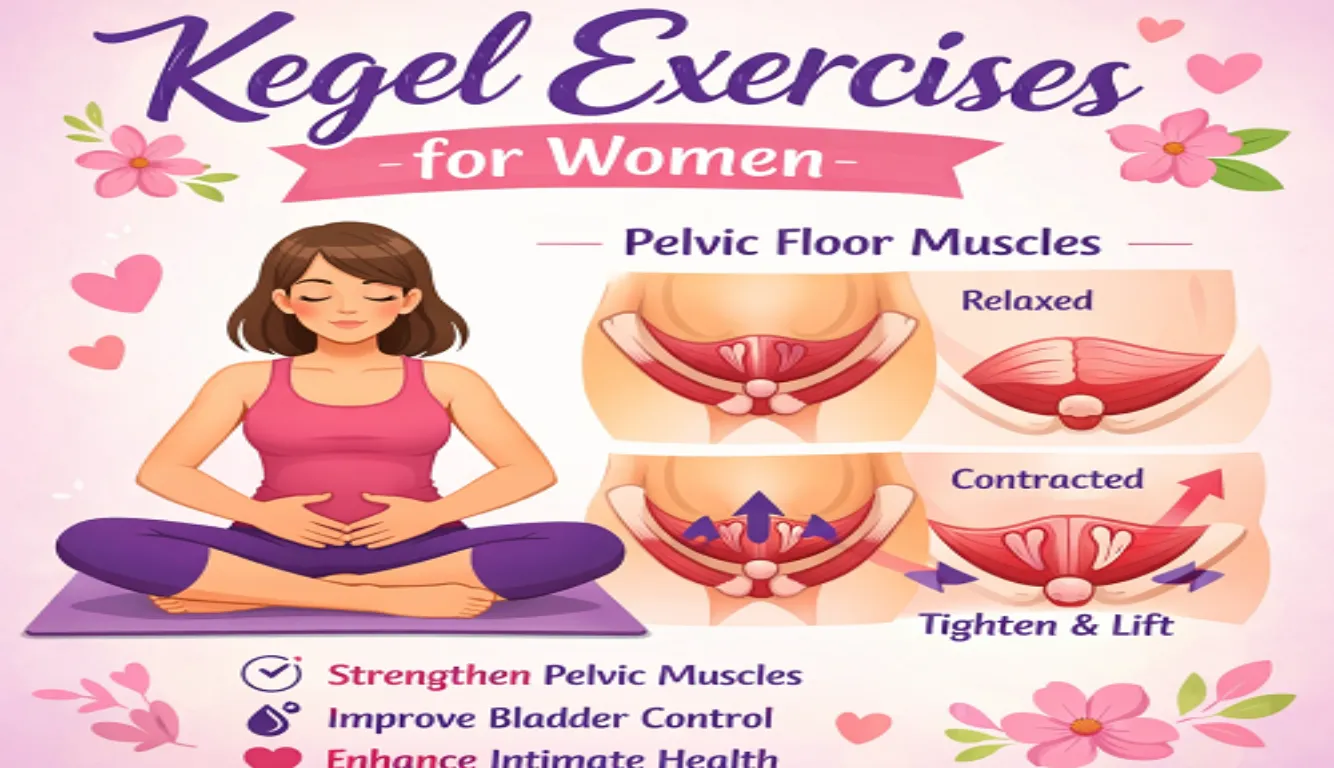
Kegel Exercises for Women can benefit women of all ages and activity levels. While these exercises are often associated with pregnancy and postpartum recovery, they can play an important role in maintaining pelvic health throughout a woman’s life.
Women who have recently given birth may use pelvic floor exercises to support muscle recovery and regain strength after pregnancy. Aging adults may find that maintaining pelvic floor strength helps support bladder control and overall comfort during everyday activities. Even women who have never experienced pelvic floor symptoms may perform Kegel exercises as a preventative measure to help maintain muscle tone and function.
Women who participate in high-impact activities such as running, jumping, or certain athletic sports may also benefit from strengthening the pelvic floor. These muscles work together with the abdominal and back muscles to help stabilize the core and support posture during movement.
Because the pelvic floor plays a role in supporting several important organs, maintaining strength in this area can contribute to overall physical wellness and quality of life.
What Are Kegel Exercises?
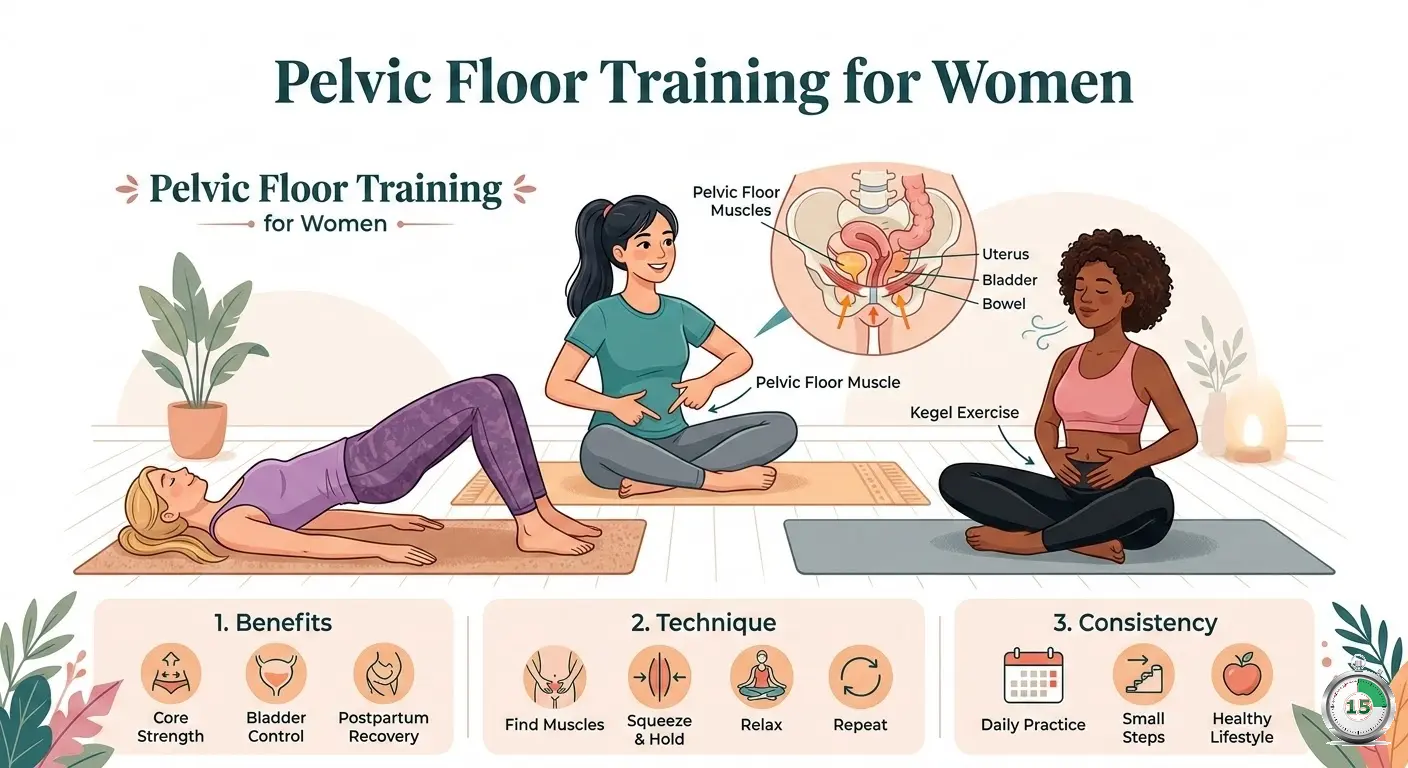
Kegel Exercises for Women are designed to strengthen the pelvic floor muscles. These muscles support important organs including the bladder, uterus, and bowel. Over time, these muscles may weaken due to pregnancy, childbirth, aging, surgery, or other health factors.
When the pelvic floor becomes weaker, women may experience decreased bladder control, pelvic pressure, or reduced muscle support. Performing regular pelvic floor exercises can help improve muscular strength and increase awareness of how these muscles function.
Named after Dr. Arnold Kegel, these exercises have been recommended for decades and remain one of the most common methods for supporting female pelvic health.
Benefits of Kegel Exercises for Women
There are many potential advantages associated with Kegel Exercises for Women. While results vary among individuals, consistent practice may help improve overall pelvic floor function.
- Improved bladder control
- Reduced urinary leakage
- Better support for pelvic organs
- Enhanced muscle recovery after childbirth
- Increased pelvic floor awareness
- Improved core stability
- Support for healthy aging
How to Identify the Correct Muscles
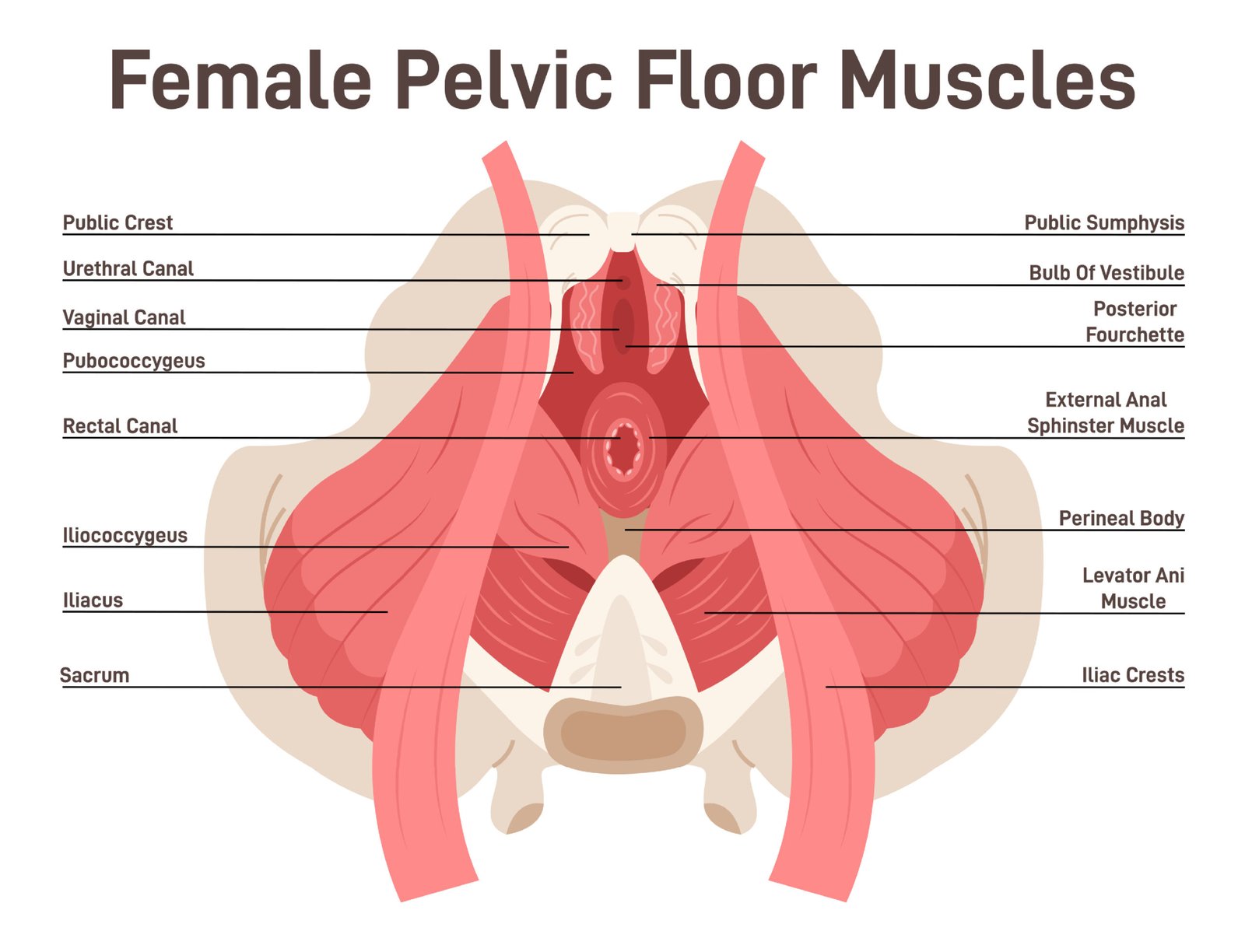
Before beginning Kegel Exercises for Women, it is important to identify the correct muscles. One common technique is imagining that you are trying to stop the flow of urine. The muscles used during that motion are typically the pelvic floor muscles.
Another way to identify them is to imagine preventing the passing of gas. The tightening sensation you feel internally often involves the pelvic floor muscles.
It is important to remember that actually stopping urine flow should only be used to locate the muscles and not as a regular exercise routine.
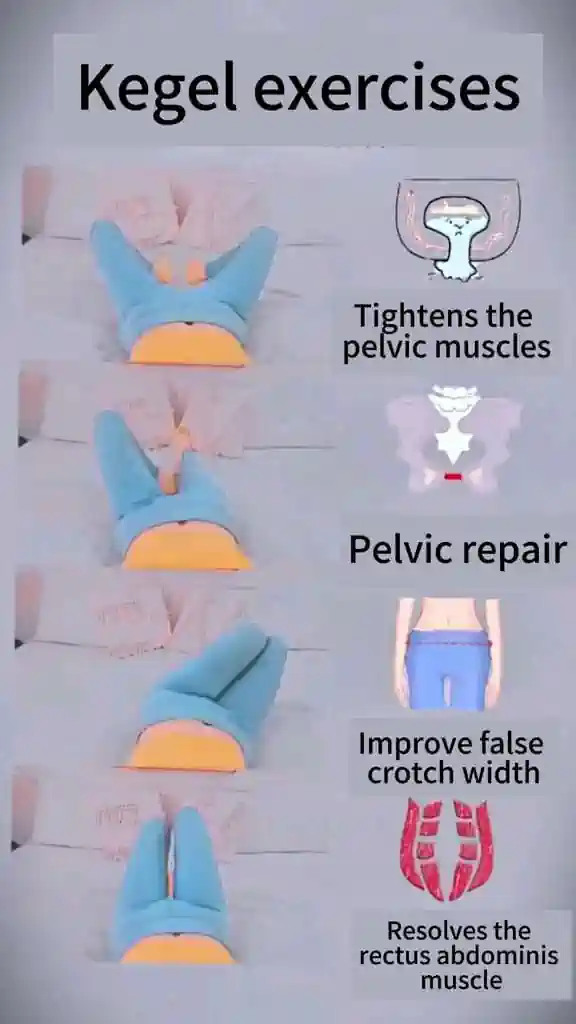
How to Perform Kegel Exercises Correctly
Performing Kegel Exercises for Women correctly is essential for achieving the best results.
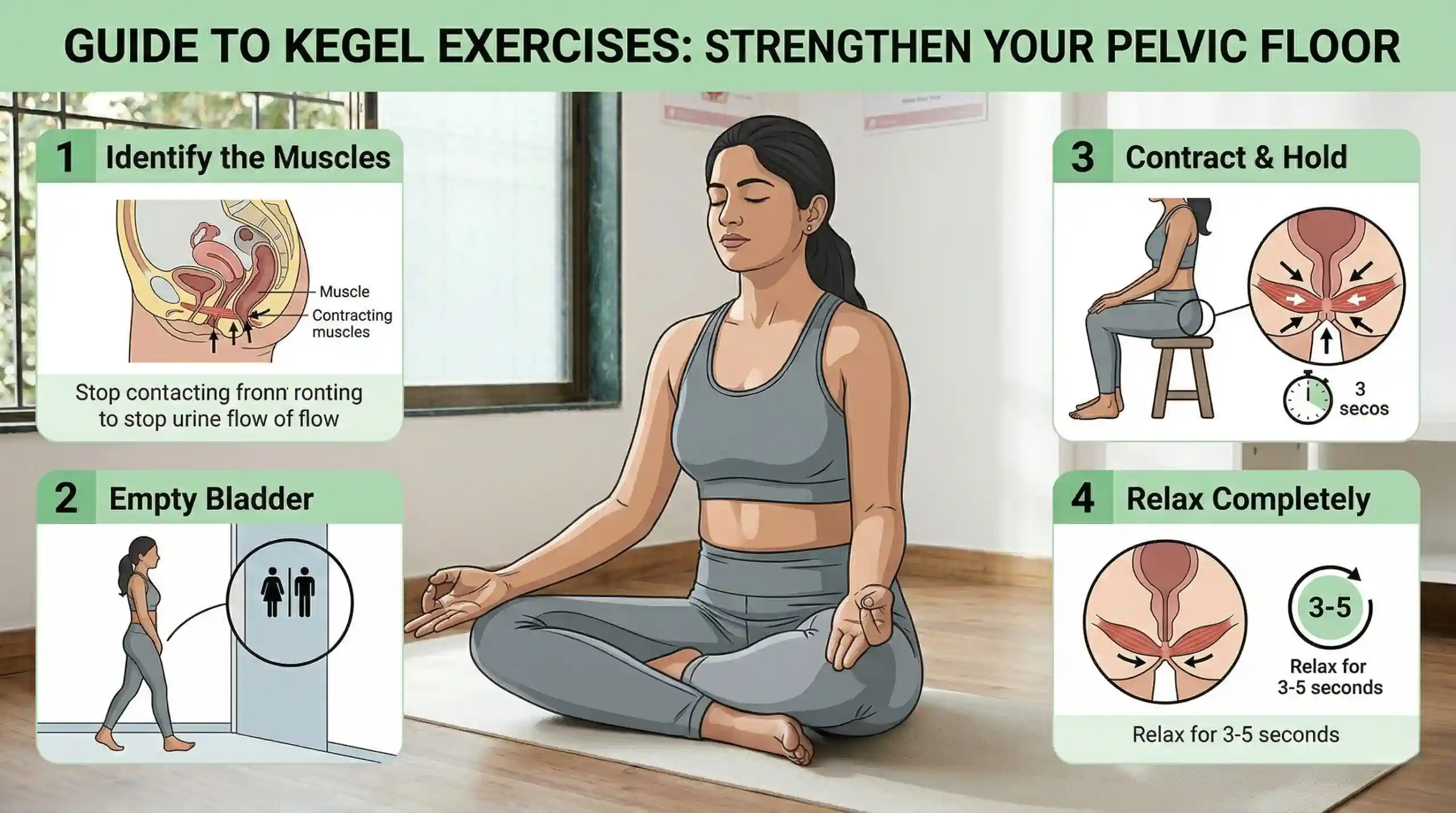
Step 1: Get Comfortable
You may sit, stand, or lie down while learning the exercises. Many beginners find it easiest to start lying on their back.
Step 2: Tighten the Pelvic Floor
Gently squeeze and lift the pelvic floor muscles upward as though trying to stop urine flow.
Step 3: Hold the Contraction
Hold the contraction for 3 to 5 seconds while breathing normally.
Step 4: Relax
Completely release the muscles and rest for another 3 to 5 seconds.
Step 5: Repeat
Start with 10 to 15 repetitions and gradually increase as your strength improves.
Most experts recommend completing three sets daily for the best results.
Common Mistakes to Avoid
When practicing Kegel Exercises for Women, many people unintentionally activate surrounding muscle groups instead of their pelvic floor.
Avoid these common mistakes:
- Holding your breath
- Tightening your stomach excessively
- Squeezing your buttocks
- Pressing your thighs together
- Rushing through repetitions
Focus on smooth, controlled contractions while breathing naturally throughout the exercise.
How Long Does It Take to See Results?
Many women begin noticing improvements after several weeks of consistent practice. Like any fitness program, success depends on consistency and proper technique.
The effectiveness of Kegel Exercises for Women may vary based on age, overall health, and existing pelvic floor strength. Practicing daily and gradually increasing hold times can help maximize long-term results.
When to Consult a Healthcare Professional
While Kegel Exercises for Women are generally safe, some women may benefit from professional guidance.
Consider speaking with a healthcare provider if you experience:
- Persistent urinary leakage
- Pelvic pain
- Pelvic pressure or discomfort
- Difficulty locating the pelvic floor muscles
- Limited improvement despite regular exercise
A pelvic floor physical therapist can provide a personalized evaluation and ensure that exercises are being performed correctly.

Final Thoughts
Kegel Exercises for Women offer a simple and effective way to strengthen the pelvic floor, improve muscle control, and support overall health. By incorporating these exercises into a daily routine, women may experience better bladder control, increased pelvic support, and enhanced confidence.
Whether you are looking to support recovery after childbirth, reduce minor urinary leakage, or maintain long-term wellness, Kegel Exercises for Women provide a practical and accessible solution. With consistency, proper technique, and patience, these exercises can become an important part of a healthy lifestyle.