Call Me: (317) 721-3346

Causes of Obesity Explained
Obesity is a growing public health concern, affecting millions of people worldwide. While many assume weight gain is simply a matter of overeating, the reality is far more complex. The Causes of Obesity Explained involve biological, environmental, psychological, and lifestyle factors that interact in powerful ways.
Below is a breakdown of the most influential Causes of Obesity Explained, helping you understand why this condition is so challenging to manage.
1. Genetic and Biological Factors
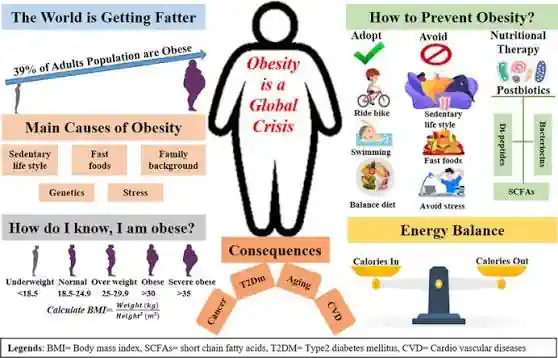
Genetics play a significant role in determining how the body stores, uses, and burns fat. Some individuals inherit traits that make weight gain easier and weight loss more difficult. These biological tendencies can influence appetite, metabolism, and even how the body responds to certain foods.
Hormones such as insulin, leptin, and ghrelin regulate hunger and fullness signals. When these hormones become imbalanced, the body may experience increased appetite, reduced satiety, or slower metabolic function. For example, leptin resistance can prevent the brain from recognizing fullness, while insulin issues can encourage fat storage.
- Family history increases risk
- Hormonal imbalances affect hunger
- Slow metabolism can promote weight gain
These biological factors often operate silently, making them one of the most misunderstood Causes of Obesity Explained.
2. High-Calorie Diets and Poor Nutrition
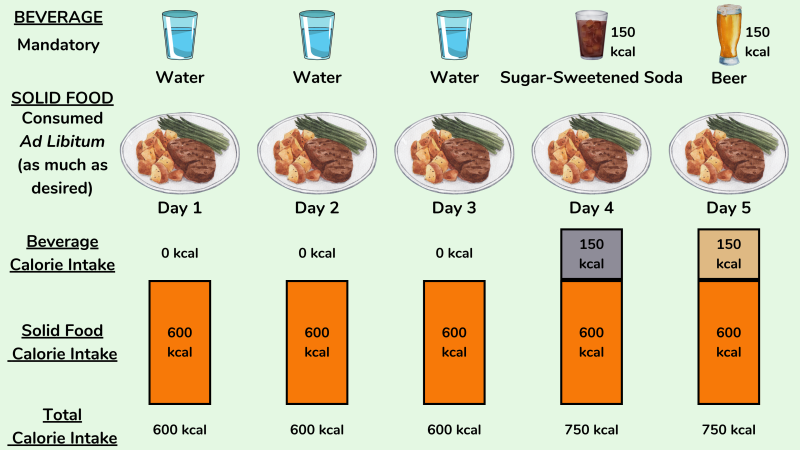
One of the most visible contributors to obesity is consuming more calories than the body needs. Modern diets frequently include processed foods, sugary drinks, and oversized portions, all of which make it easy to exceed daily calorie requirements without realizing it.
Fast food, fried meals, and convenience snacks are typically high in fat, sugar, and salt. These foods stimulate cravings and make overeating more likely. Sugary beverages, in particular, add calories without providing any sense of fullness, making them a major driver of weight gain.
- Fast food and fried meals
- Sugary beverages
- High-fat snacks
- Refined carbohydrates
Poor nutrition doesn’t just increase calorie intake—it also disrupts blood sugar levels, encourages fat storage, and reduces energy, making healthy habits harder to maintain.
3. Sedentary Lifestyle
Physical inactivity is one of the leading Causes of Obesity Explained in both adults and children. As technology advances, daily movement continues to decline. Desk jobs, long commutes, and screen-based entertainment all contribute to reduced calorie burning.
When the body remains inactive for long periods, metabolism slows and muscle mass decreases. This combination makes it easier to gain weight even when food intake stays the same.
- Long hours sitting at work
- Minimal exercise
- Excessive TV or gaming time
A sedentary lifestyle doesn’t just affect weight—it also impacts overall health, increasing the risk of diabetes, heart disease, and other chronic conditions.
4. Psychological and Emotional Factors
Emotions play a powerful role in eating habits. Stress, anxiety, and depression can lead to emotional eating, where food becomes a coping mechanism rather than a source of nourishment. High-calorie comfort foods temporarily relieve negative feelings, reinforcing unhealthy patterns.
Some individuals develop food addiction-like behaviors, making it difficult to control cravings or stop eating even when full.
- Stress eating
- Boredom eating
- Food addiction patterns
These psychological influences are often overlooked but are major Causes of Obesity Explained.
5. Environmental and Social Influences
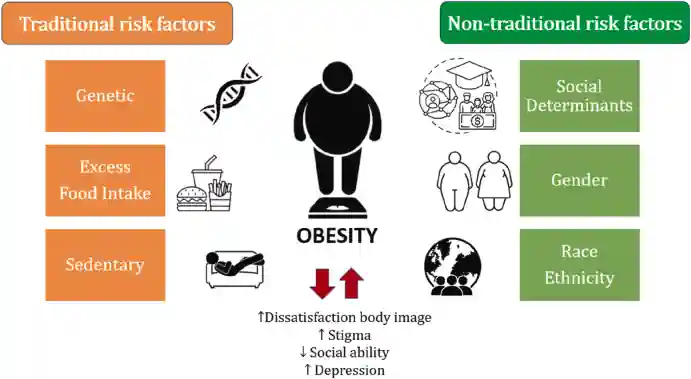
Your surroundings can strongly shape your eating and activity habits. People living in “food deserts” may have limited access to fresh produce, relying instead on processed or fast foods. Unsafe neighborhoods or lack of parks reduce opportunities for physical activity.
Social environments also matter. Family traditions, cultural celebrations, and gatherings often revolve around food, encouraging overeating.
- Food deserts
- Lack of parks or gyms
- Social gatherings centered around food
These external factors make healthy choices harder, especially for those with limited resources.
6. Medical Conditions and Medications
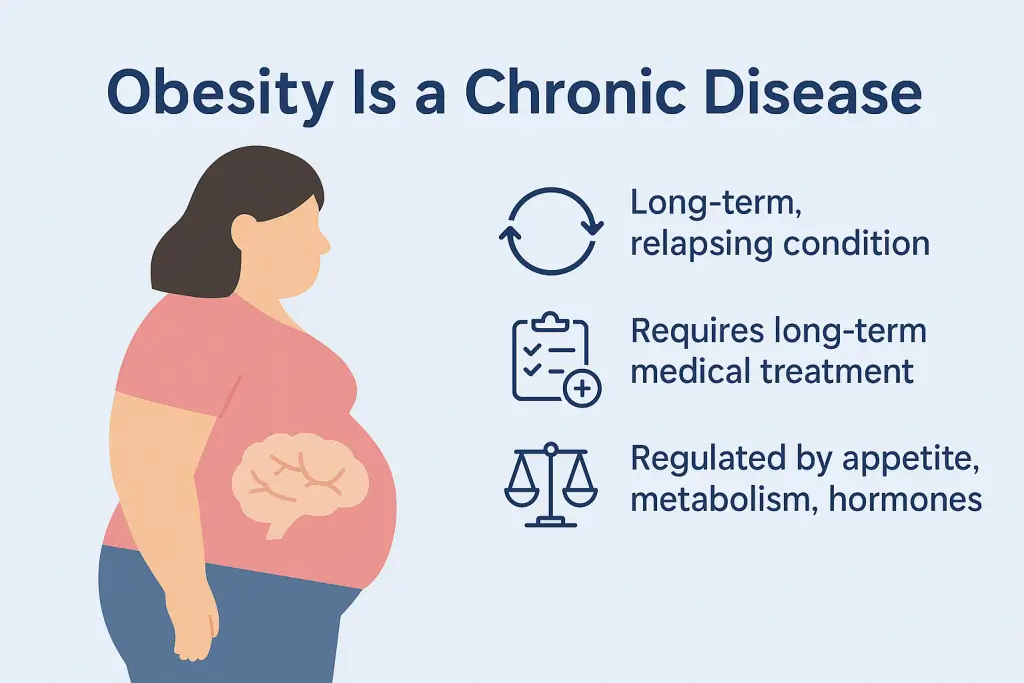
Certain medical conditions can contribute to weight gain by affecting hormones, metabolism, or energy levels. Additionally, some prescription medications have side effects that increase appetite or slow calorie burning.
- Hypothyroidism
- PCOS
- Antidepressants
- Steroids
These biological influences are legitimate Causes of Obesity Explained, and they often require medical guidance to manage effectively.
7. Lack of Sleep
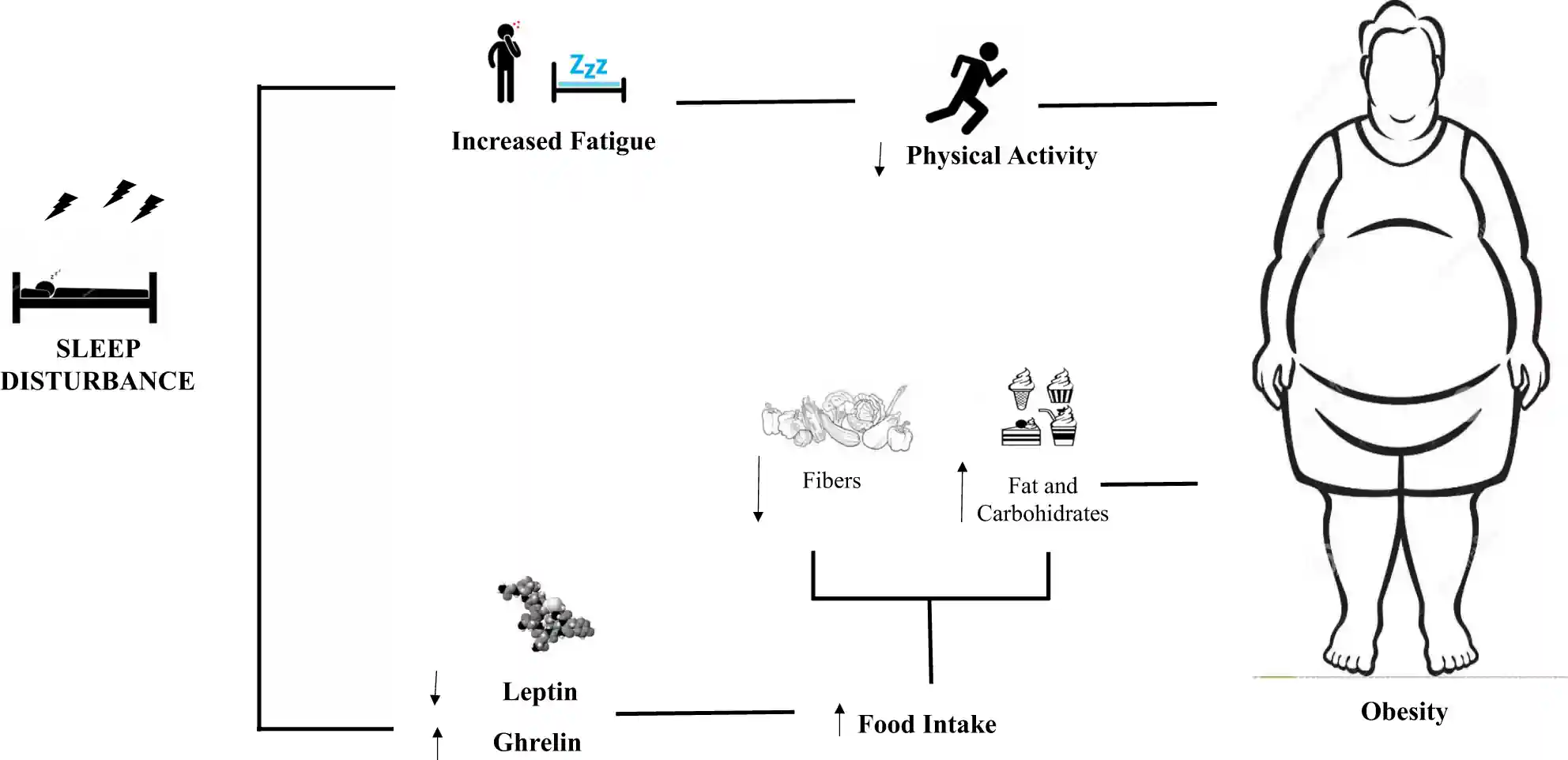
Sleep plays a crucial role in regulating hunger hormones. Poor sleep disrupts leptin and ghrelin, increasing cravings and reducing the body’s ability to manage weight. Fatigue also lowers motivation for exercise and encourages high-calorie snacking.
- Irregular sleep schedules
- Sleep apnea
- Chronic insomnia
Although often overlooked, sleep issues are a meaningful contributor to obesity.
Final Thoughts
The Causes of Obesity Explained are multifaceted and deeply interconnected. Understanding these factors helps remove stigma and encourages healthier, more effective approaches to weight management. Obesity isn’t just about willpower—it’s about biology, environment, lifestyle, and mental health working together.