Call Me: (317) 721-3346

Body-Safe Products

Why Body-Safe Products Matter for Comfort, Health, and Peace of Mind
Understanding how to choose and use body-safe products is an important part of personal wellness. Products designed for body use should always be used according to their intended purpose and the manufacturer’s instructions.
Choosing Body-Safe Products
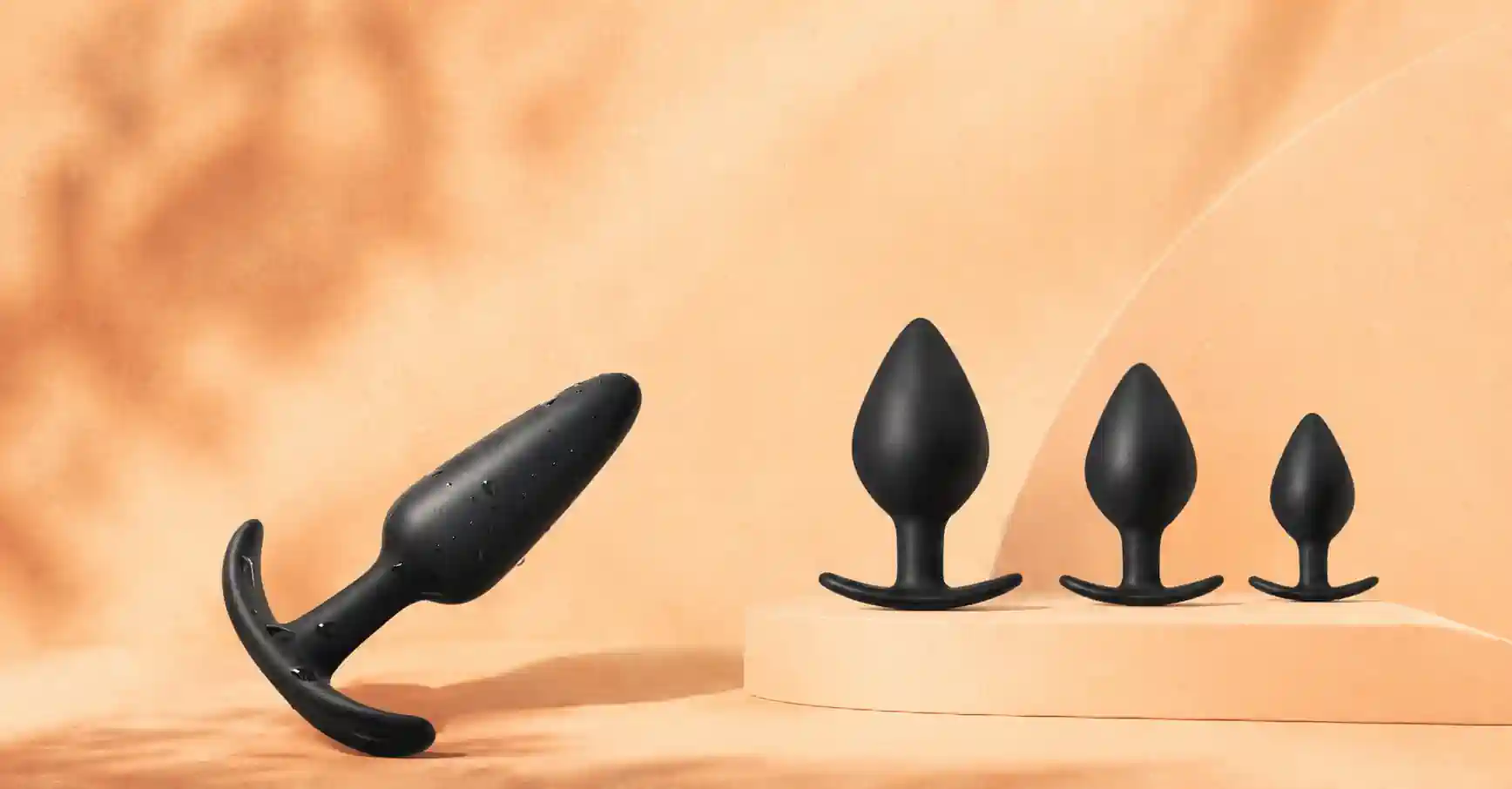
What to Look for When Choosing Body-Safe Products for Comfort and Confidence
When selecting body-safe products, look for items made from materials specifically identified as suitable for their intended use. Non-porous materials can also make cleaning and maintenance easier.
- Choose products specifically designed for their intended use.
- Check the manufacturer’s material and safety information.
- Avoid household objects or improvised items.
- Choose an appropriate size and design.
- Check for safety features before use.
Check Safety Features
Safety features are especially important when selecting body-safe products intended for internal use. A product should be designed specifically for its intended purpose and should include features that make it easier to control and retrieve.
For products designed for rectal use, a wide base or another appropriate retrieval feature can help prevent the product from becoming completely inserted. Never use an object that could become stuck or difficult to remove.
Before using a product, take a few moments to inspect it carefully. Look for cracks, tears, sharp edges, rough surfaces, loose components, or other signs of damage. If anything appears damaged, do not use the product.
- Look for an appropriate retrieval feature.
- Never use a product that can become completely inserted.
- Inspect the product before every use.
- Do not use products with cracks, tears, sharp edges, or rough surfaces.
- Follow all manufacturer safety instructions.
Follow Basic Safety Rules
Using body-safe products safely requires paying attention to your body and following the product’s instructions. Safety should always come before convenience or continued use.
Never force an object into the body. If something does not feel comfortable or causes significant pain, stop immediately. Continuing to use a product despite pain can increase the possibility of irritation or injury.
- Never force an object into the body.
- Stop immediately if significant pain occurs.
- Stop if bleeding, numbness, or unusual discomfort develops.
- Never use damaged products.
- Do not substitute household objects for products designed for body use.
- Follow the manufacturer’s instructions.
- Use products only for their intended purpose.
- Keep products clean before and after use.
When something does not feel right, stopping and evaluating the situation is safer than continuing.
Hygiene and Cleaning
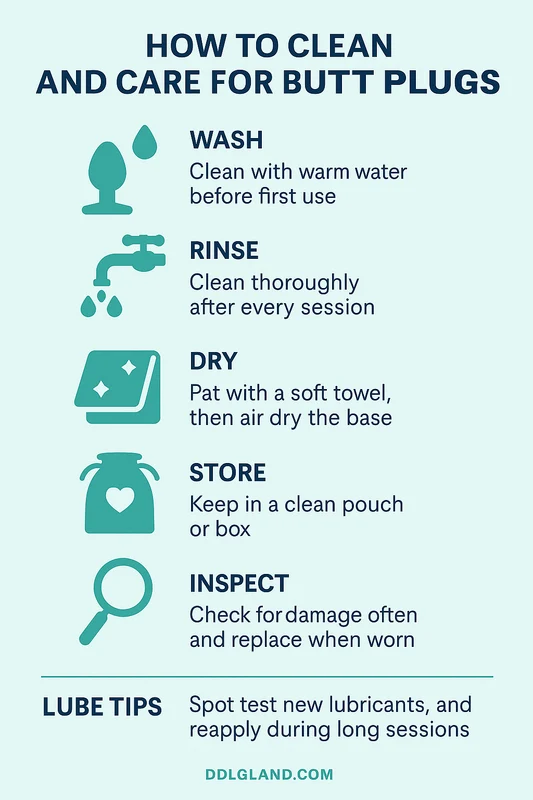
Hygiene and Cleaning: Best Practices for Safe and Effective Care
Proper cleaning is essential when using body-safe products. Bacteria and other contaminants can remain on a product if it is not cleaned properly, making good hygiene an important part of responsible use.
Always follow the manufacturer’s cleaning instructions because different materials may require different cleaning methods. Some products may be cleaned with mild soap and water, while others may have specific care requirements.
After cleaning, allow the product to dry completely before putting it away. Storing a damp product can contribute to unwanted odors or contamination.
- Clean products according to the manufacturer’s instructions.
- Use only recommended cleaning products and methods.
- Allow products to dry completely before storage.
- Store products in a clean, dry location.
- Inspect products regularly for damage or deterioration.
- Replace products that can no longer be cleaned properly.
Good cleaning habits can help maintain both product condition and personal hygiene.
Lubrication and Comfort
Comfort is an important consideration when using products designed for internal use. Follow the manufacturer’s recommendations regarding lubrication and make sure the lubricant is compatible with the product’s material.
Using an incompatible product may damage certain materials. When you are unsure about compatibility, check the manufacturer’s instructions before use.
Most importantly, do not continue using a product if it causes pain. Pain, significant discomfort, bleeding, or numbness are reasons to stop rather than continue.
- Check the manufacturer’s instructions.
- Confirm that products are compatible with the lubricant being used.
- Stop if discomfort or pain develops.
- Never force continued use when something feels painful.
- Seek medical advice if concerning symptoms continue.
🚨 Emergency Warning
Emergency Warning Signs: When Immediate Medical Assistance Is Needed
If an object becomes stuck and cannot be removed easily, do not use force, tools, or another object to remove it.
Seek emergency medical care immediately if there is heavy bleeding, severe pain, fainting, dizziness, or other signs of serious injury.
- Object stuck and cannot be removed easily: Seek medical care.
- Heavy bleeding: Seek emergency medical care.
- Severe pain: Seek emergency medical care.
- Fainting or severe dizziness: Seek emergency medical care.
- Signs of serious injury: Seek immediate medical attention.
In the United States, call 911 for a medical emergency.
When to Contact a Healthcare Professional
Most concerns can be reduced by choosing appropriate products and following basic safety and hygiene practices. However, some symptoms should not be ignored.
Contact a healthcare professional if you experience persistent or worsening pain, unexplained bleeding, swelling, fever, numbness, or significant irritation. You should also seek medical advice if you are concerned that an injury may have occurred.
- Persistent or worsening pain
- Unexplained bleeding
- Swelling or significant irritation
- Fever or possible signs of infection
- Numbness or unusual sensations
- Difficulty removing an object
- Symptoms that do not improve after stopping use
A healthcare professional can evaluate your symptoms and provide appropriate medical guidance. When in doubt, seeking professional advice is safer than attempting to diagnose an injury yourself.
Storage and Maintenance
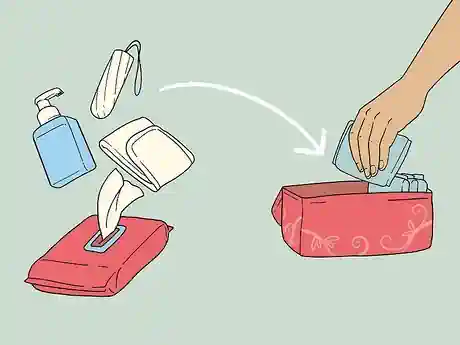
Storage and Maintenance: Best Practices for Safety and Durability
Proper storage is an important part of caring for body-safe products. After cleaning and completely drying a product, store it according to the manufacturer’s recommendations.
Keep products in a clean, dry location away from excessive heat, direct sunlight, moisture, dirt, and chemicals. If multiple products are stored together, follow the manufacturer’s recommendations because some materials may not be suitable for prolonged contact with one another.
Inspect products regularly for signs of wear or deterioration. Cracks, tears, rough surfaces, discoloration, loose components, or other changes may indicate that a product should be replaced.
- Store products in a clean, dry area.
- Keep products away from excessive heat.
- Keep products away from direct sunlight.
- Protect products from dirt and contaminants.
- Follow the manufacturer’s storage recommendations.
- Inspect products regularly for damage.
- Replace damaged or deteriorated products.
Proper maintenance can help keep products in good condition and reduce unnecessary safety concerns.
Medical Disclaimer
This article about body-safe products is provided for general educational purposes only. It is not a substitute for professional medical advice, diagnosis, or treatment. Seek medical attention for concerning or persistent symptoms.
Conclusion
Using body-safe products responsibly starts with choosing appropriate products, following manufacturer instructions, maintaining good hygiene, and recognizing when to stop. Taking a few extra minutes to inspect, clean, and properly store products can help support safer personal wellness practices.
If something causes significant pain, bleeding, or becomes stuck, do not attempt to force the situation or use improvised tools for removal. Seek appropriate medical assistance instead. Personal wellness should always prioritize safety, comfort, hygiene, and responsible use.