Call Me: (317) 721-3346

African American Women Skin
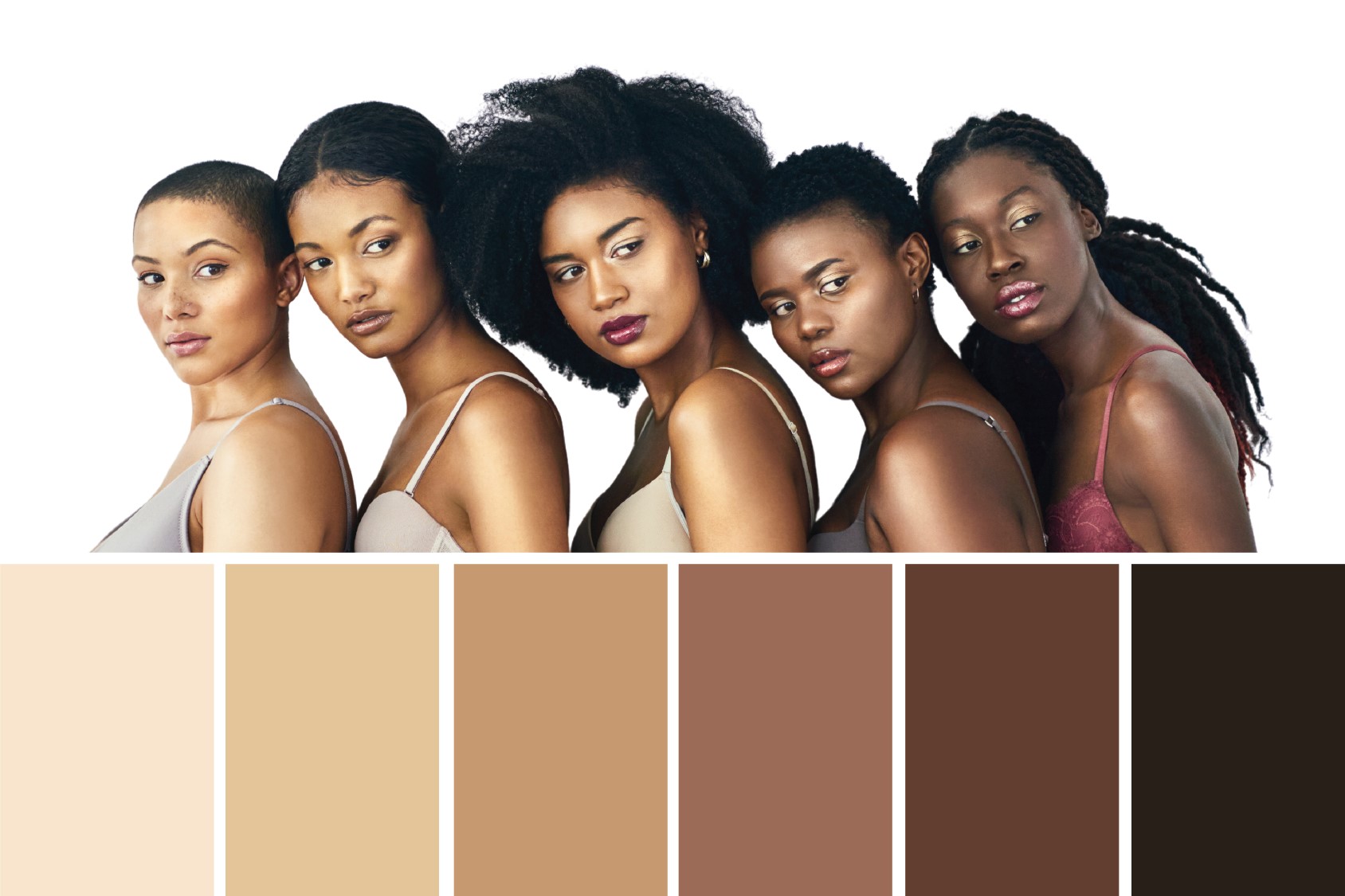
African American Women Skin represents one of the most diverse and scientifically fascinating ranges of skin tones in the world. From warm golden hues to deep, rich ebony, this variation reflects centuries of evolution, ancestry, and cultural identity. The wide spectrum of African American Women Skin is shaped by genetics, melanin levels, and environmental adaptation.
This article explains why some African American women have darker skin than others, how African American Women Skin develops, and why this diversity is an essential part of African heritage.
The Science Behind Skin Color
Skin color is determined by melanin, a pigment produced by melanocytes. Higher melanin levels create deeper complexions, which are especially visible in African American Women Skin.
Melanin’s Role in Skin Tone
- Eumelanin — brown/black pigment
- Pheomelanin — red/yellow pigment
African American women typically have higher eumelanin levels, contributing to the deeper tones commonly seen in African American Women Skin.
For a deeper scientific explanation, the Skin Cancer Foundation provides a helpful overview of melanin and UV protection: Skin Cancer Foundation – Skin Types
Genetics: The Blueprint of Skin Tone
Genetics play the largest role in determining how light or dark someone’s skin will be. Multiple genes influence melanin production and distribution, creating the wide range found in African American Women Skin.
Key pigmentation genes include SLC24A5, SLC45A2, OCA2, and MC1R. These genes help explain why African American Women Skin varies so widely, even within the same family.
Key Pigmentation Genes
- SLC24A5
- SLC45A2
- OCA2
- MC1R
The National Institutes of Health (NIH) provides detailed research on pigmentation genetics: NIH – Genetics of Skin Pigmentation
Why Genetic Variation Exists
African American communities have diverse genetic backgrounds due to:
- West African ancestry
- Caribbean ancestry
- European genetic mixing
- Indigenous American lineage
- Generational blending
This mixture creates a spectrum of skin tones, even within the same family — a core part of African American Woman Skin diversity.

Environmental Impact on Skin Tone
Skin tone evolved as a biological response to environmental conditions over thousands of years. This evolutionary history still shapes African American Women Skin today.
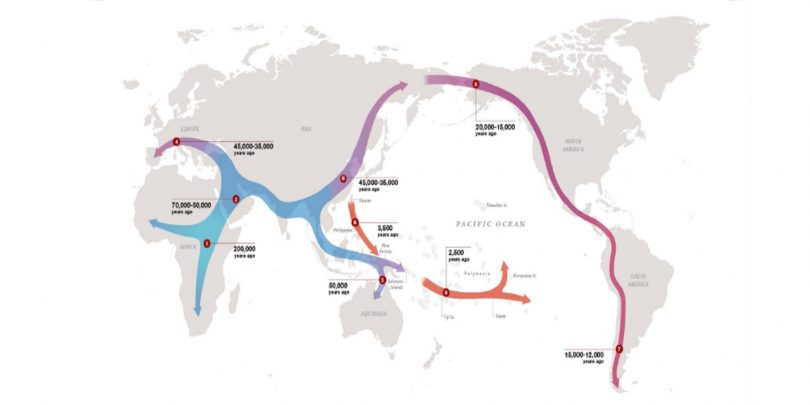
Early humans in equatorial Africa developed darker skin to protect against UV radiation, folate depletion, and DNA damage. As populations migrated, skin tones adapted to new environments — yet many African American women retain ancestral traits that contribute to the richness of African American Women Skin.
UV Radiation and Ancestral Adaptation
Early humans living in equatorial Africa were exposed to intense sunlight. Darker skin evolved as protection against:
- UV radiation
- Folate depletion
- DNA damage
Harvard University offers an excellent breakdown of how skin color evolved: Harvard – Evolution of Skin Color
Migration and Changing Environments
As humans migrated to areas with lower UV exposure, skin tones gradually lightened. However, African American women today often retain ancestral traits linked to regions where darker skin was advantageous, reinforcing African American Woman Skin diversity.

Ancestry and Skin Tone Variation
African American women often have complex ancestral backgrounds, including West African, Caribbean, European, and Indigenous American lineage. This blending creates the broad spectrum of African American Women Skin seen today.
West African Ancestry
Many African American women have strong West African genetic roots. West African populations historically developed darker skin due to environmental pressures.
Helpful reference on African genetic diversity: Nature – African Genetic Diversity
Mixed Heritage and Skin Tone Range
Due to centuries of migration and cultural blending, African American women may also have:
- European ancestry
- Indigenous American ancestry
- Caribbean ancestry
This mixture expands the range of African American Woman Skin seen today.

Why Some African American Women Have Darker Skin Than Others
Higher Melanin Production
Some individuals naturally produce more melanin due to genetic expression, resulting in deeper, richer tones commonly seen in African American Woman Skin.
Stronger West African Genetic Influence
Women with higher percentages of West African ancestry often have darker skin because those populations historically developed high melanin levels.
Genetic Variation Across Generations
Even siblings can have different skin tones due to genetic recombination — a normal part of African American Woman Skin diversity.
Common Myths About Skin Tone
Myth: Darker Skin Means Better Health
While melanin offers UV protection, it does not determine overall health. All skin tones require proper care.
Myth: Lighter Skin Indicates Less African Ancestry
Skin tone alone cannot determine ancestry. Genetics are far more complex.
Celebrating Diversity
The wide range of skin tones among African American women is a testament to human resilience, adaptation, and beauty. African American Woman Skin reflects centuries of evolution, migration, and cultural blending.
Why This Diversity Matters
- It highlights the richness of African heritage
- It challenges narrow beauty standards
- It encourages appreciation of natural variation
Embracing Your Unique Skin Tone
Every complexion — light, medium, or deep — is a beautiful expression of ancestry and identity. Understanding the science behind skin tone helps celebrate this diversity rather than compare it.
Conclusion
African American women have darker skin than others due to a combination of genetics, melanin production, ancestry, and evolutionary history. The incredible range of African American Woman Skin is shaped by thousands of years of adaptation and generations of cultural blending. This diversity is not only scientifically fascinating but also culturally meaningful, representing strength, heritage, and beauty.