Vagina Size and Length
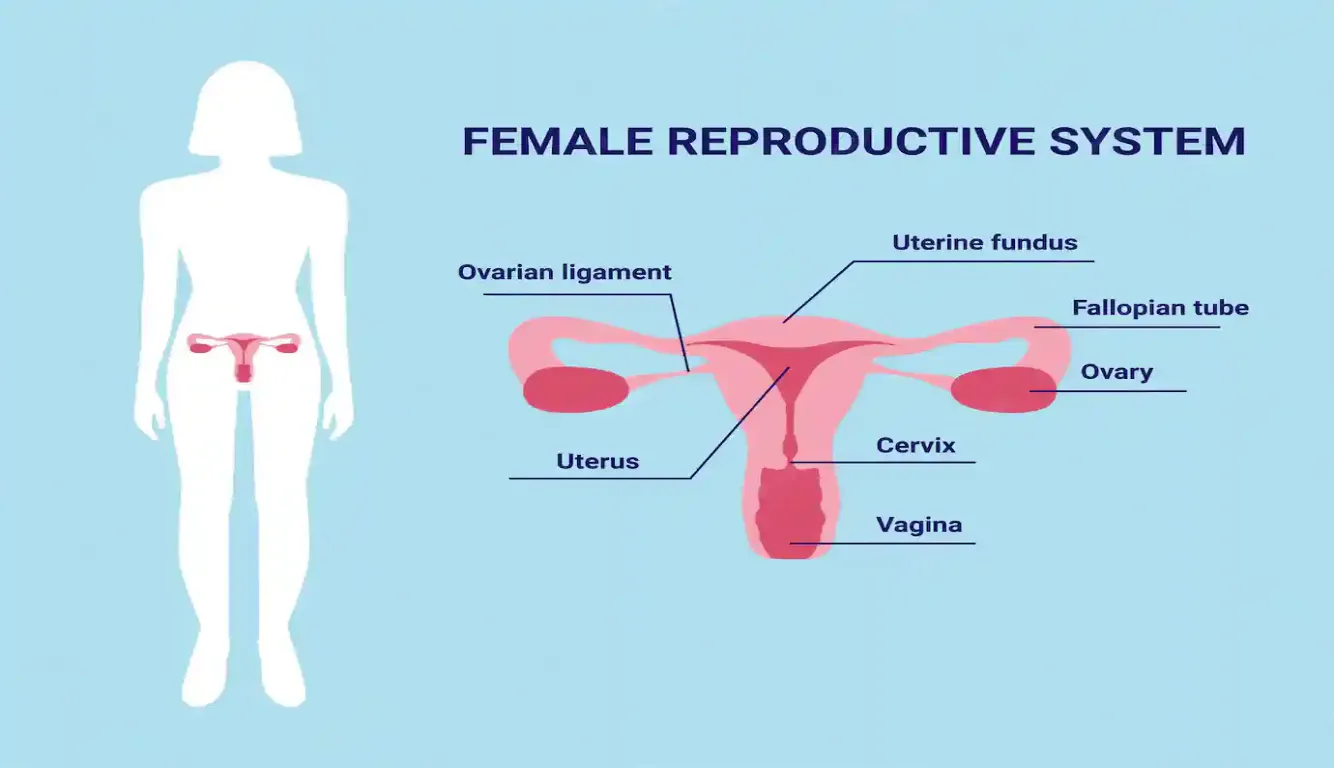
When people search for information about vagina size and length, they may expect there to be one specific measurement that applies to everyone. In reality, vaginal anatomy varies naturally from person to person. The vagina is a flexible muscular canal that can change in shape and length depending on a person’s physical state.
Understanding vagina size and length can help clear up common misconceptions about female anatomy and explain why measurements found online can differ considerably.
What Is the Vagina?
The vagina is a muscular canal that connects the external genital area with the cervix, which is the lower portion of the uterus. It is part of the reproductive system and also serves as the passage through which menstrual blood leaves the body and through which a baby passes during vaginal childbirth.
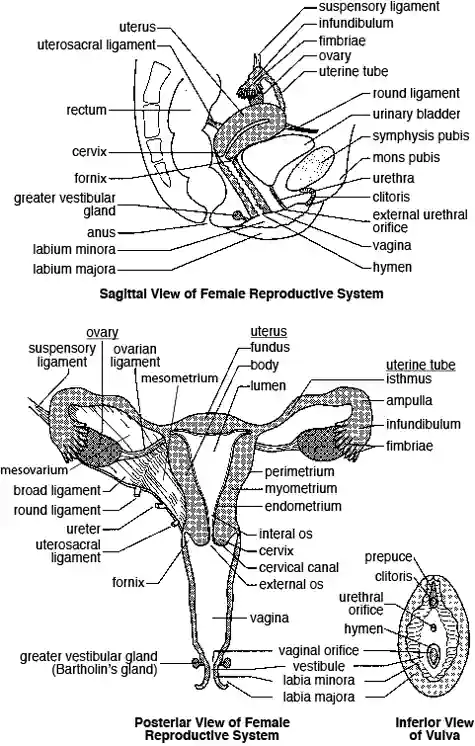
Unlike a rigid tube, the vagina is made of flexible tissue and muscles. This means that its dimensions are not fixed. When someone is relaxed, the vaginal canal can be relatively shorter and narrower. When the body is aroused, the tissues can expand and lengthen.
What Is the Average Vaginal Length?
There is no single measurement that represents every person. Research using medical imaging and anatomical measurements has found that the vaginal canal commonly measures several inches in its non-aroused state, although there is substantial individual variation.
This is one reason it is more accurate to discuss a range rather than claim that everyone has the same vagina size and length.
The vagina can also change during sexual arousal. The upper portion can expand and lengthen, while the tissues become more lubricated and flexible. This natural response is sometimes referred to as vaginal tenting.
Does Vaginal Size Change?
Yes. The vagina is designed to be flexible. Its muscular walls can stretch and then generally return toward their previous resting state.
Pregnancy and childbirth can temporarily produce significant changes in the tissues and muscles surrounding the vagina. Recovery varies from person to person and can depend on factors such as the type of delivery, genetics, age, and pelvic-floor health.
These natural changes are another reason that vagina size and length should not be viewed as a permanent measurement.
Does Age Affect Vaginal Anatomy?
Age can influence vaginal tissues. Hormonal changes, particularly changes in estrogen levels, can affect the thickness, elasticity, moisture, and comfort of vaginal tissue.
For example, during menopause, lower estrogen levels can cause vaginal tissues to become thinner and drier. Some people may experience discomfort or other symptoms as a result.
However, aging does not mean that the vagina simply becomes permanently shorter or stops functioning normally. Individual experiences vary significantly.
Is There a “Normal” Vaginal Size?
There is a wide range of normal anatomy. Just as people naturally have different heights, weights, and body proportions, vaginal anatomy also varies.
Comparing yourself with measurements found online can therefore be misleading. A measurement reported in one study may have been obtained using a particular medical technique or may represent a specific group of participants.
When discussing vagina size and length, it is important to remember that averages describe populations rather than defining what is normal for every individual.
Can the Vagina Become Permanently Loose?
The idea that normal sexual activity permanently makes the vagina “loose” is a common misconception. The vagina contains elastic and muscular tissues that allow it to stretch.
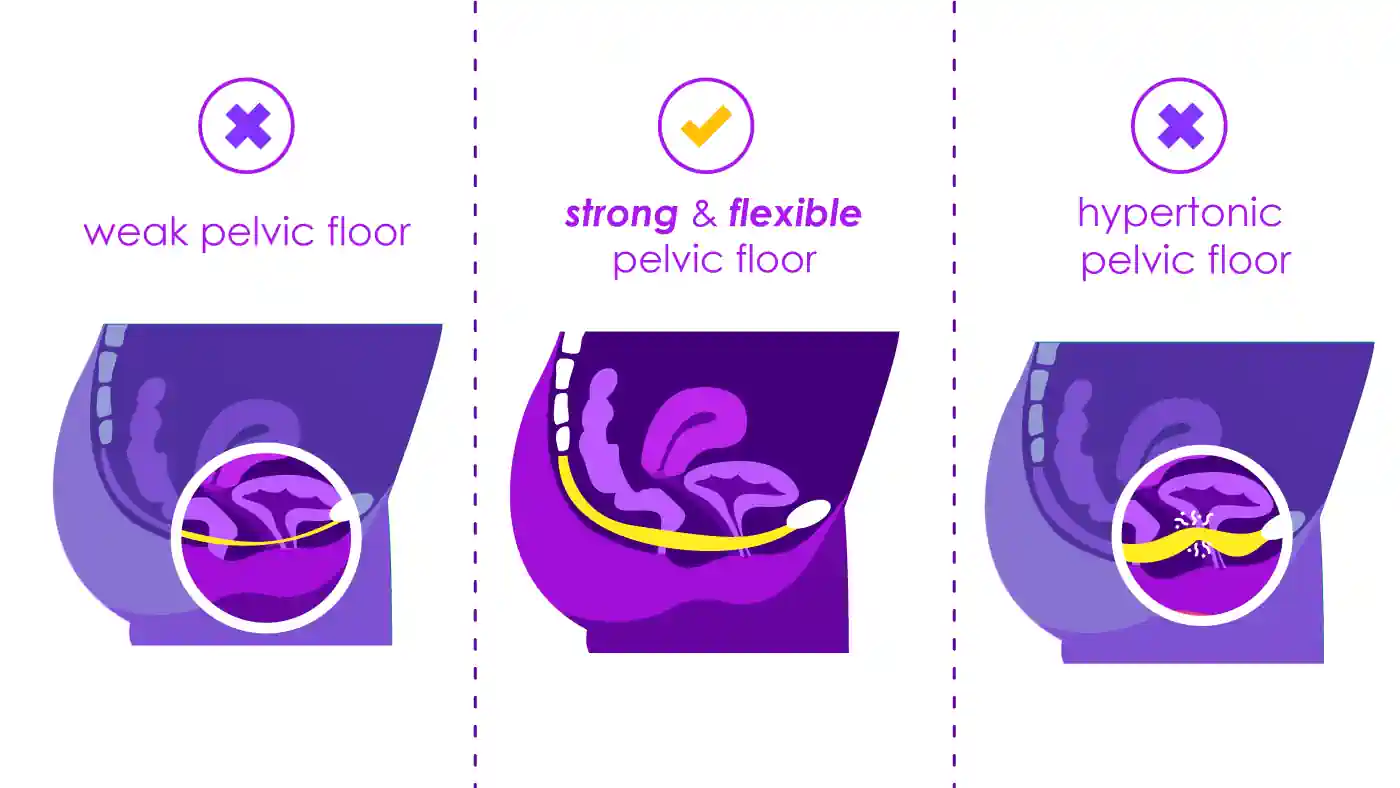
Pregnancy and childbirth can have a greater effect on pelvic-floor muscles than ordinary sexual activity. Even then, recovery differs between individuals.
Pelvic-floor exercises, sometimes called Kegel exercises, may help strengthen the muscles that support the pelvic organs. A healthcare professional or pelvic-floor physical therapist can provide individualized guidance when needed.
Does Vaginal Length Affect Sexual Health?
Vaginal dimensions by themselves generally do not determine sexual health. Comfort, lubrication, communication, pelvic-floor function, and overall health can be much more relevant.
Pain during penetration, persistent dryness, unusual bleeding, or other concerning symptoms should be discussed with a healthcare professional rather than attributed simply to vagina size and length.

Why Measurements Can Be Misleading
Online sources sometimes provide very precise numbers for vaginal dimensions. However, measurements can vary depending on whether the person is relaxed or aroused, the measurement technique used, and the anatomical area being measured.
The vaginal canal also has folds called rugae, which allow the walls to stretch and accommodate changes in size.
Consequently, there is no single number that can accurately describe everyone’s vagina size and length.
The Bottom Line
The vagina is a flexible and highly adaptable part of the human body. Its dimensions naturally vary among individuals and can change depending on factors such as relaxation, arousal, pregnancy, childbirth, hormones, and age.
Rather than focusing on whether a particular measurement is “normal,” it is more useful to understand that a broad range of anatomy can be healthy.
Vagina size and length are only small parts of understanding vaginal health. If someone experiences persistent pain, dryness, unusual discharge, bleeding, or other changes, speaking with a qualified healthcare professional is more useful than relying on comparisons with measurements found online.
Frequently Asked Questions
The vaginal canal commonly measures several inches when relaxed, but there is considerable natural variation.
Yes. The vaginal walls are flexible and can stretch and expand, including during sexual arousal and childbirth
Normal sexual activity does not generally cause permanent vaginal enlargement. The tissues are naturally elastic.
No. Healthy vaginal anatomy varies considerably between individuals.
Pregnancy and vaginal childbirth can temporarily or sometimes persistently affect the vagina and surrounding pelvic-floor muscles. Recovery varies from person to person.
Note: This article is intended for general educational purposes and is not a substitute for professional medical advice.