Call Me: (317) 721-3346

Myth of Large Penises
The myth of large penises is one of the most persistent ideas in modern culture. It appears in movies, television shows, comedy routines, adult content, advertising, and everyday conversations, often presented as though size alone defines masculinity, confidence, or sexual desirability. Over time, this repeated message has become deeply rooted in popular culture, causing many people to believe that penis size is one of the most important aspects of a man’s identity.
In reality, the myth of large penises is built on exaggeration, misunderstanding, and decades of cultural storytelling rather than scientific evidence. Medical research consistently shows that there is a wide range of normal anatomy and that factors such as communication, emotional intimacy, mutual respect, and compatibility play a much greater role in healthy relationships than physical measurements. Understanding where this myth comes from can help people develop a healthier perspective on body image and self-confidence.
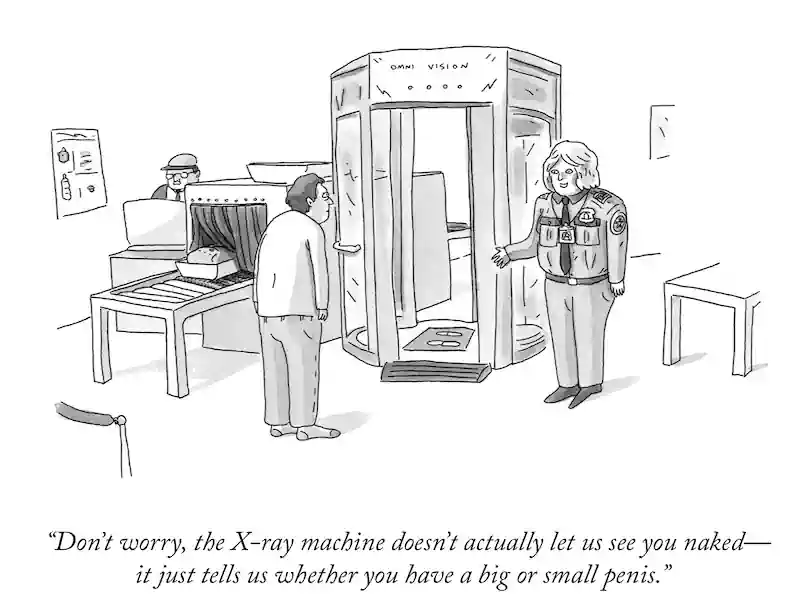
Media plays a major role in shaping unrealistic body standards.
Many people feel pressure because of the myth of large penises. Men may worry they are “not enough,” while partners may feel obligated to pretend size matters more than it does. This myth influences body image, confidence, and relationships, even though research consistently shows that communication, trust, and emotional connection matter far more than any measurement.
Where Did the Myth Come From?
The myth of large penises didn’t appear out of nowhere. It grew from several cultural influences that distorted what people believe is “normal” or “ideal.”
- Media stereotypes: Comedy, movies, and TV often use size as a punchline.
- Adult content: Performers are frequently selected because they fit the myth of large penises
- Peer pressure: Locker-room talk and exaggerated stories create unnecessary comparison.
- Poor sex education: Myths fill the gap when real information is missing.

Healthy confidence comes from realistic expectations.
How the Myth Affects People
The myth of large penises has consequences that extend far beyond simple misunderstandings. For many men, repeated exposure to unrealistic standards can contribute to unnecessary anxiety, self-doubt, and body image concerns.
Some individuals develop low self-esteem because they compare themselves with unrealistic portrayals found in entertainment or adult media. These comparisons are often unfair because the examples being presented are intentionally selected to appear exceptional rather than average.
- Body image issues: Constant comparison can lead to low self-esteem.
- Performance anxiety: Stress about size can distract from connection.
- Relationship tension: Partners may feel pressured to pretend size matters more than it does.
- Risky decisions: Some people consider unsafe procedures because of the myth of large penises.
What Actually Matters in Sexual Satisfaction
When healthcare professionals and relationship experts discuss sexual satisfaction, the myth of large penises rarely appears as a meaningful predictor of fulfilling relationships. Instead, research consistently highlights several other factors.
- Communication: Talking openly builds trust and comfort.
- Emotional connection: Feeling valued matters far more than physical traits.
- Skill and attentiveness: Being present and responsive is more important than size.
- Realistic expectations: Letting go of the myth of large penises helps people focus on what truly feels good.
Understanding Cultural Myths About a Man’s Body
The myth of large penises is only one example of the unrealistic standards society places on men’s bodies. Similar expectations exist regarding height, muscularity, athletic ability, and appearance. These ideals are often promoted through advertising, entertainment, and social media, creating the false impression that masculinity depends on achieving nearly impossible physical standards.
In reality, human bodies naturally vary in countless ways. Diversity is normal, and there is no single body type that defines attractiveness, masculinity, or personal worth. Recognizing that many cultural expectations are based on stereotypes rather than facts helps reduce unnecessary comparison and promotes healthier self-image.
Challenging the Myth and Building Confidence
Moving beyond the myth of large penises begins with education and honest discussion. Accurate medical information helps replace misinformation with realistic expectations about anatomy and sexual health.
Media literacy is another important step. Recognizing that movies, advertising, and adult entertainment are designed to entertain—not educate—allows people to view these portrayals more critically.
Healthy relationships rely on communication, not myths.
When society challenges this myth, it becomes easier for everyone to embrace healthier, more realistic perspectives on sexuality and body image.
In Conclusion
The myth of large penises has been shaped by decades of media influence, cultural storytelling, and misinformation. Although the myth remains widespread, scientific research paints a much different picture. Healthy relationships are built on communication, emotional intimacy, mutual respect, and genuine connection rather than unrealistic physical ideals.
By recognizing how the myth of large penises distorts expectations, individuals can reduce unnecessary pressure, improve body confidence, and develop a healthier understanding of sexuality. Challenging these outdated beliefs benefits everyone by encouraging realistic expectations, reducing stigma, and promoting greater compassion toward ourselves and others.
Ultimately, the myth of large penises continues to persist because it is repeated more often than questioned. Replacing myths with evidence-based information allows people to move beyond harmful stereotypes and appreciate the wide range of normal human anatomy. A healthier perspective helps foster confidence, strengthens relationships, and reminds us that personal worth is never defined by a single physical characteristic.