Call Me: (317) 721-3346

Breast Implant Scars
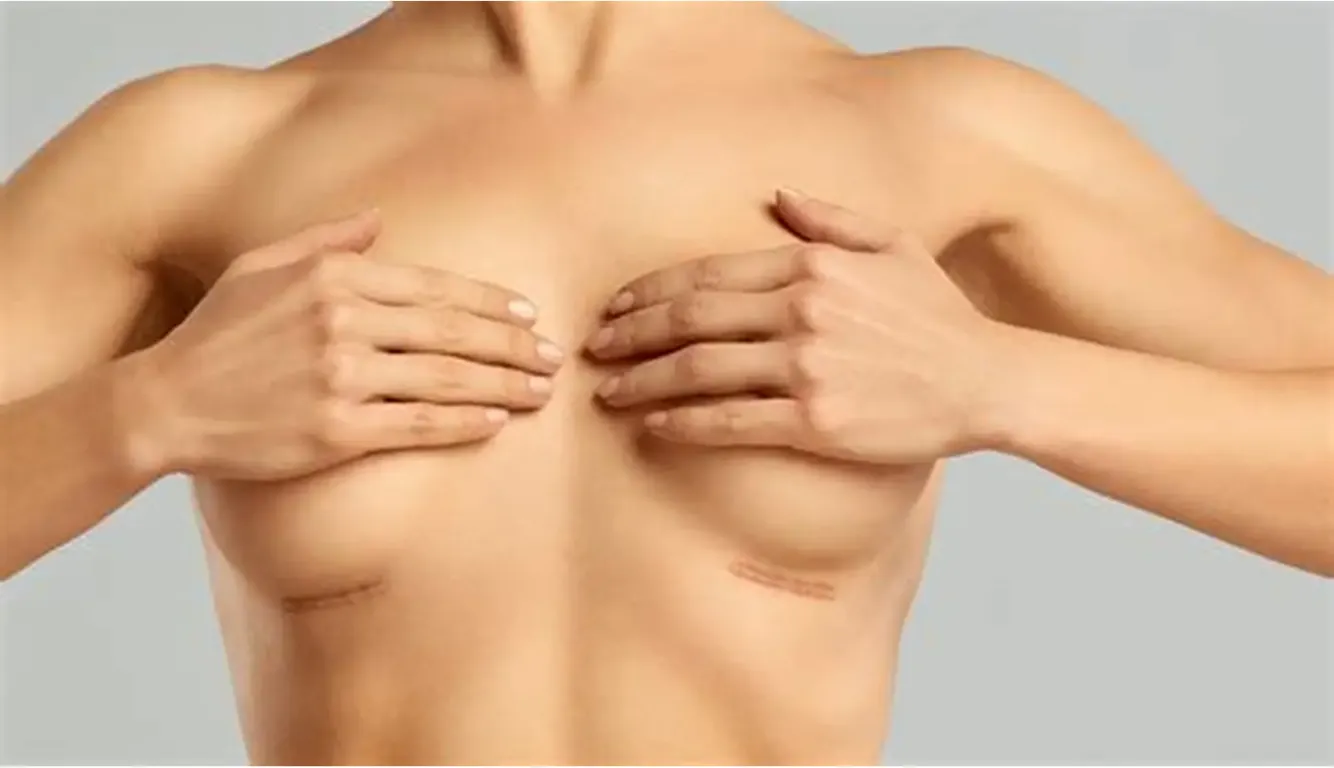
Understanding Why Breast Implant Scars Form and What to Expect During Healing
Breast augmentation remains one of the most popular cosmetic procedures worldwide. Women choose breast implants for many reasons, including enhancing breast size, restoring lost volume after pregnancy or weight loss, improving symmetry, or rebuilding the breast after surgery. While the results can improve confidence and body image for many patients, a common concern is the appearance of breast implant scars.
Understanding why breast implant scars develop can help patients set realistic expectations before surgery and better appreciate the body’s natural healing process. Although modern surgical techniques are designed to minimize visible scarring, every surgical procedure that requires an incision will result in some form of scar.
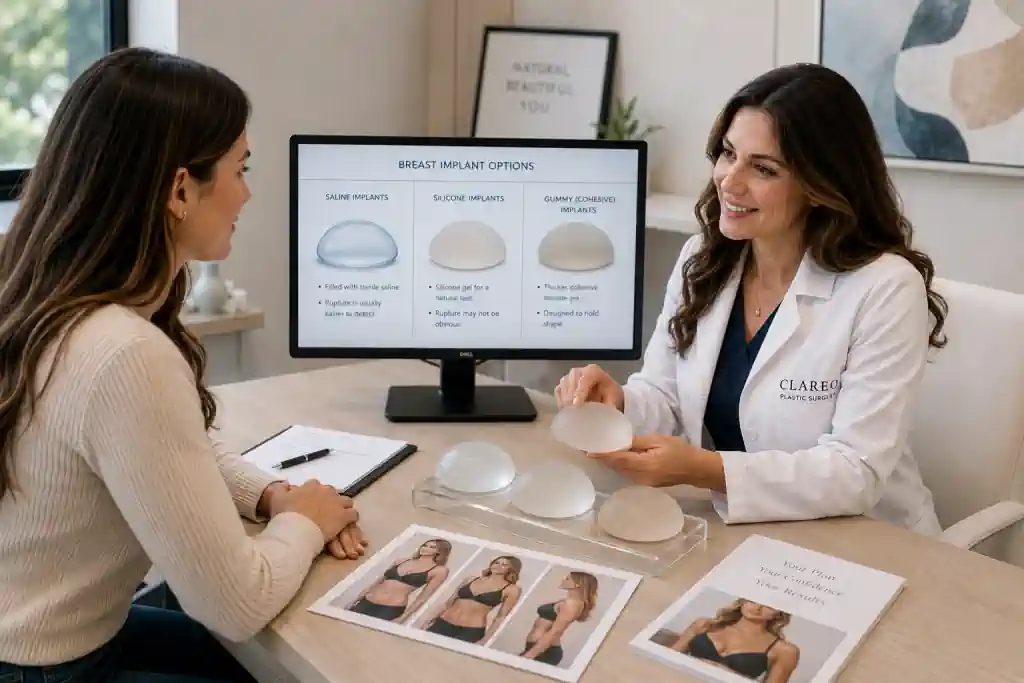
Patient discussing breast augmentation options with a plastic surgeon.
What Causes Breast Implant Scars?
The primary reason breast implant scars form is simple: the surgeon must make an incision to place the implant inside the body. During breast augmentation surgery, the skin and underlying tissues are carefully opened to create a pocket for the implant.
Once the surgery is complete, the body immediately begins repairing the incision. New collagen fibers are produced to reconnect the tissues and strengthen the area. This natural healing response creates scar tissue, which eventually becomes a visible scar on the skin’s surface.
Scars are a normal and healthy part of healing. Without scar formation, the body would not be able to properly repair surgical wounds or restore the integrity of the skin.
Where Are Breast Implant Incisions Typically Made?
The location of breast implant scars depends on the surgical technique chosen by the plastic surgeon. Each incision placement offers different benefits and can affect where the resulting scar appears.
Inframammary Incision
The inframammary incision is made within the natural fold underneath the breast. This is one of the most commonly used techniques because it provides excellent surgical access while allowing the scar to remain concealed beneath the breast.
Many surgeons prefer this approach because it allows for precise implant placement and often results in a well-hidden scar.
Inframammary Incision
The inframammary incision is made within the natural fold underneath the breast. This is one of the most commonly used techniques because it provides excellent surgical access while allowing the scar to remain concealed beneath the breast.
Many surgeons prefer this approach because it allows for precise implant placement and often results in a well-hidden scar.
Periareolar Incision
A periareolar incision is created around the outer edge of the areola, where the darker skin meets the lighter breast skin. This natural color transition may help camouflage the scar in some patients.
Transaxillary Incision
This incision is placed in the armpit rather than on the breast itself. While this approach avoids direct breast scarring, a scar is still present in the underarm area.
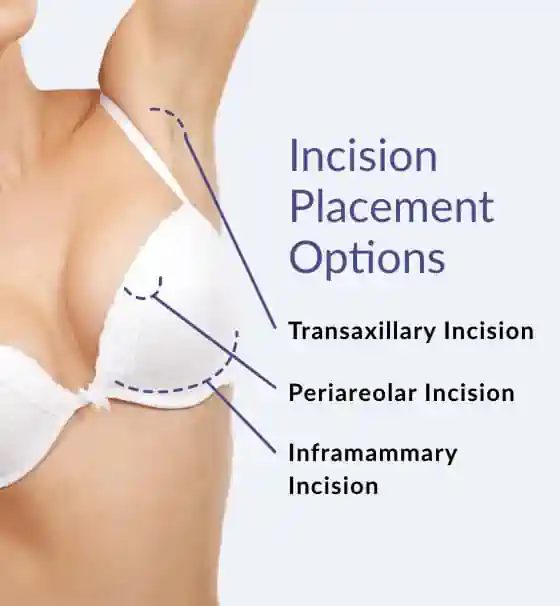
Plastic surgeons carefully select incision locations based on each patient’s goals.
How the Body Creates Scar Tissue
The formation of breast implant scars occurs through a complex biological healing process. The body repairs surgical wounds in several stages.
1. Inflammatory Phase
Immediately after surgery, the body sends blood cells, oxygen, nutrients, and healing proteins to the incision site. This causes temporary redness, swelling, and tenderness as healing begins.
2. Proliferative Phase
During this stage, collagen production increases significantly. Fibroblast cells generate new tissue that helps close and strengthen the surgical incision.
3. Remodeling Phase
Over the following months, the scar gradually changes in color, texture, and thickness. Most scars initially appear pink or red before slowly fading over time.
For many women, breast implant scars continue improving for up to one or two years after surgery.
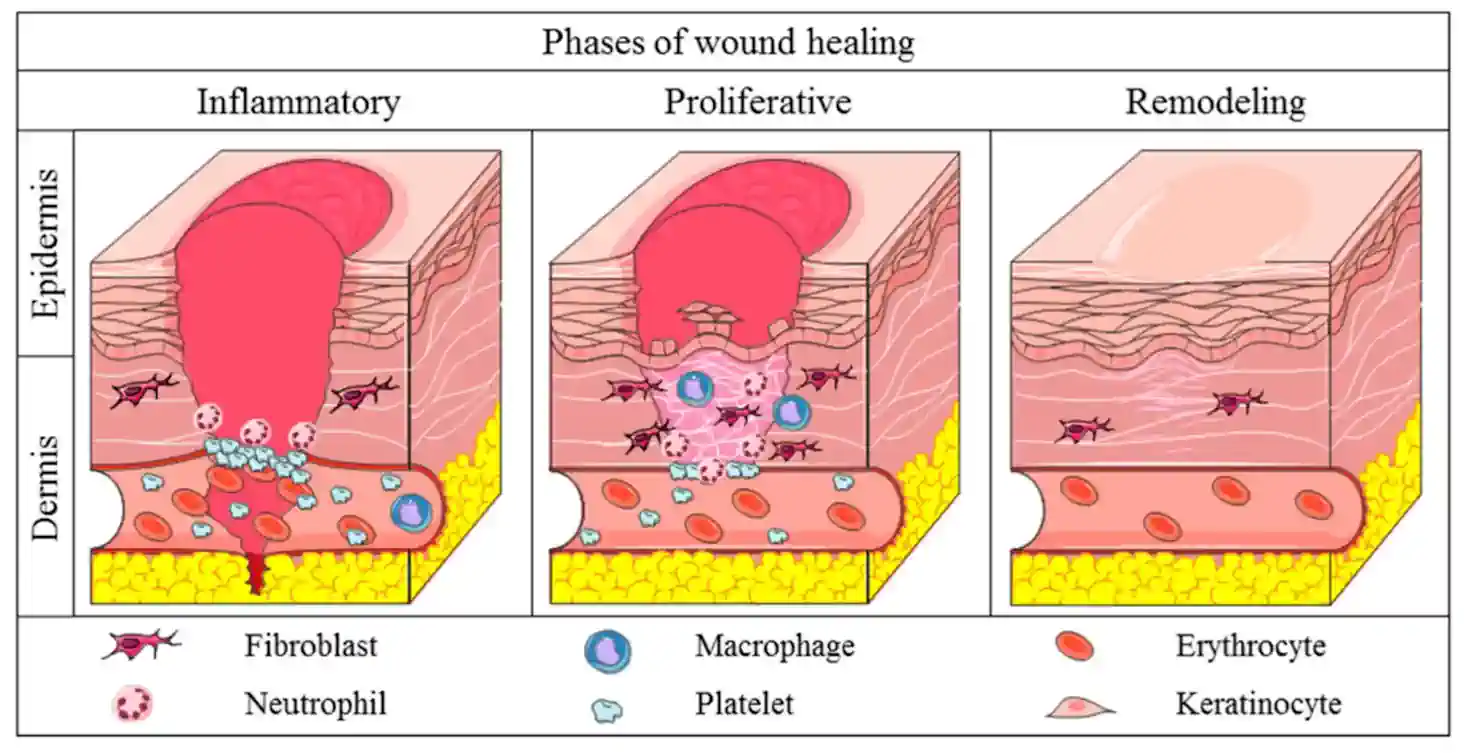
The body’s healing process creates strong tissue while reducing scar visibility over time.
Internal Scar Tissue Around Breast Implants
Many people are surprised to learn that there are both visible and invisible scars associated with breast implants.
In addition to the external incision scar, the body naturally creates a thin layer of scar tissue around the implant itself. This tissue is known as a capsule. The formation of a capsule is a normal biological response whenever a medical device is implanted into the body.
In most cases, this capsule remains soft and flexible. However, a small percentage of patients may experience a condition known as capsular contracture. This occurs when the capsule thickens or tightens around the implant, potentially causing firmness, discomfort, or changes in breast shape.
Factors That Affect the Appearance of Breast Implant Scars
Not everyone’s scars heal the same way. Several factors can influence the appearance of breast implant scars, including:
- Genetics
- Skin tone and skin type
- Age
- Smoking habits
- Sun exposure
- Nutrition
- Surgical technique
- Post-operative care
Some individuals develop very fine scars, while others may be more prone to raised or thicker scar tissue.
Can Breast Implant Scars Be Minimized?
Although it is impossible to completely prevent breast implant scars, there are several strategies that may help reduce their visibility.
Follow Postoperative Instructions
Following your surgeon’s instructions is one of the most important steps in supporting proper healing.
Avoid Smoking
Patients are typically encouraged to avoid smoking before and after surgery to promote healthy circulation and tissue repair.
Use Silicone Scar Treatments
Many healthcare providers recommend silicone gels or silicone sheets once the incision has sufficiently healed. These products may help improve scar appearance over time.
Maintain Proper Nutrition
Protein, vitamins, and adequate hydration provide the building blocks needed for wound healing.
Protect Healing Scars from UV Exposure
Applying sunscreen and keeping scars covered can help prevent discoloration during the healing process.
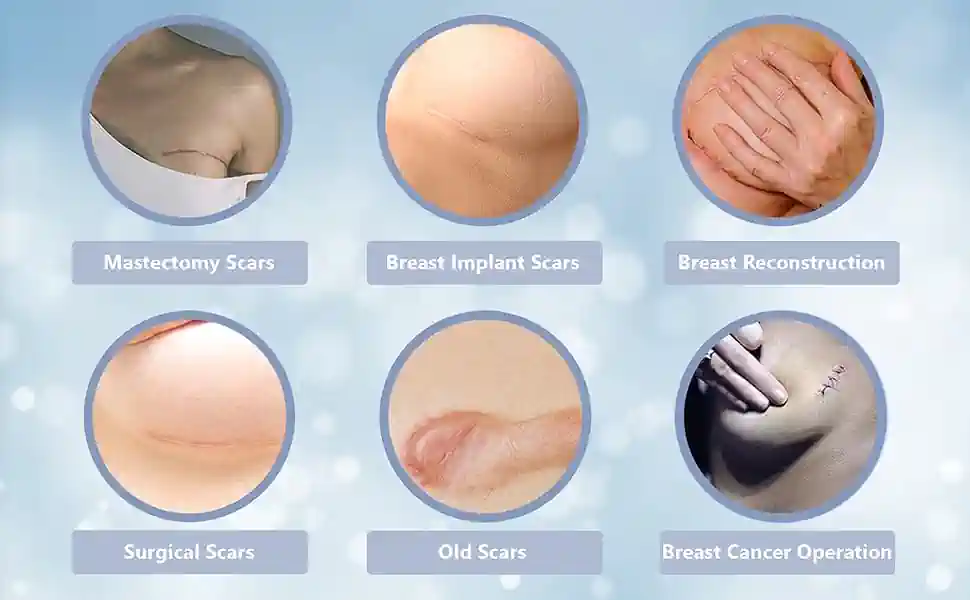
Proper scar care may help improve the long-term appearance of breast implant scars.
Do Breast Implant Scars Go Away Completely?
One of the most common questions patients ask is whether breast implant scars disappear completely.
The answer is that scars never fully disappear. A scar represents a permanent change in the skin created by the healing process. However, most scars become significantly less noticeable as they mature.
In many cases, breast implant scars gradually fade from red or pink to a lighter color that blends more naturally with the surrounding skin. Depending on the incision location and individual healing characteristics, some scars may become difficult to notice without close inspection.
Final Thoughts
Breast implant scars are a normal and expected result of breast augmentation surgery. Because breast implants require a surgical incision for placement, scar formation is simply part of the body’s natural healing process. Fortunately, modern surgical techniques, thoughtful incision placement, and proper postoperative care have made it possible for many women to experience minimal visible scarring.
Understanding why breast implant scars develop can help patients feel more confident and informed when considering breast augmentation. While no surgery can completely eliminate scarring, most scars fade considerably over time and become a small tradeoff for the desired surgical outcome.