Semen in Men
Understanding Semen in Men
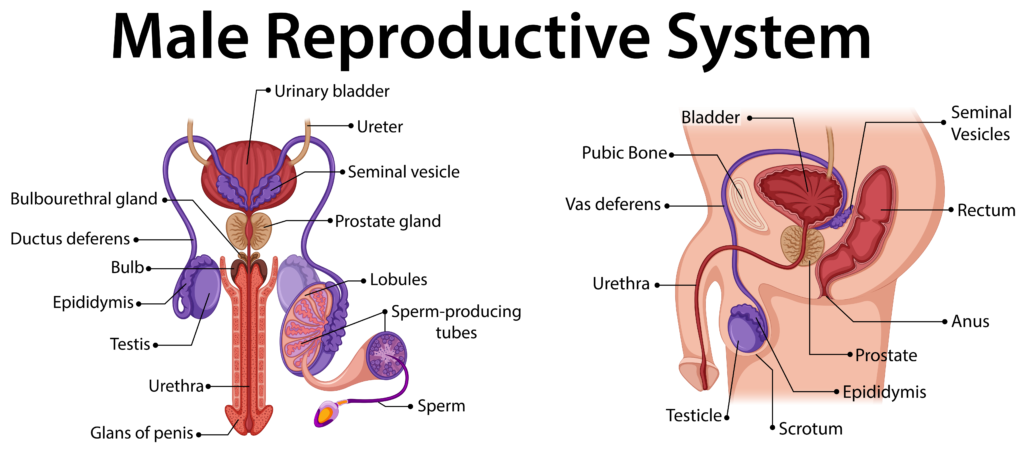
Semen plays a vital role in human reproduction, yet it is often misunderstood or surrounded by myths. Learning about semen in men helps people better understand their bodies, reproductive health, and the biological processes that support fertility. This guide explains what semen is, how it is produced, what affects its quality, and why it matters for overall wellness.
What Is Semen?
Semen is a thick, whitish fluid released from the body during ejaculation. Although many people think semen is made entirely of sperm, sperm cells actually make up only a small portion of the total fluid. The rest comes from several glands that work together to support sperm and help them travel effectively.
Typical components of semen include:
- Sperm cells: The reproductive cells that can fertilize an egg.
- Water: Forms the base of the fluid.
- Proteins and enzymes: Help protect and support sperm.
- Fructose: A sugar that provides energy for sperm movement.
- Minerals and nutrients: Support overall sperm health.
Understanding semen in men begins with recognizing that it is a complex mixture designed to protect and nourish sperm on their journey through the reproductive system.
How Semen Is Produced
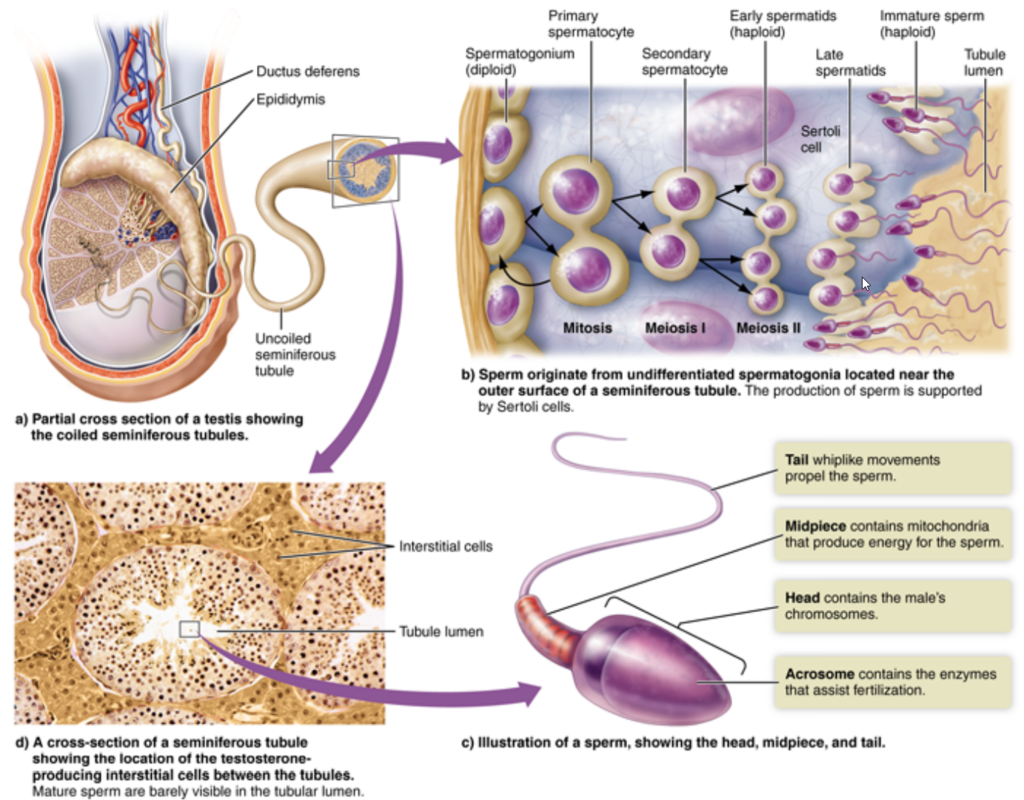
The production of semen in men involves multiple organs working together in a coordinated way. Each structure contributes a specific type of fluid or function.
- Testicles: Produce sperm cells.
- Epididymis: Stores and matures sperm.
- Seminal vesicles: Add fluid rich in fructose to nourish sperm.
- Prostate gland: Adds enzymes and protective fluid.
- Bulbourethral glands: Provide lubrication before ejaculation.
Together, these organs ensure sperm are supported, protected, and able to move efficiently once ejaculation occurs.
What Semen Does
The purpose of semen goes beyond simply carrying sperm. It plays several important roles in reproduction:
- Protects sperm from the acidic environment of the vagina.
- Provides nutrients that help sperm survive longer.
- Supports movement so sperm can swim effectively.
- Helps transport sperm through the reproductive tract.
Because of these functions, the quality of semen in men can influence fertility, even when sperm count appears normal.
Normal Characteristics of Semen
Semen can vary from person to person, but typical characteristics include:
- Color: Whitish or slightly gray.
- Texture: Thick at first, then becomes more liquid.
- Smell: Mild and slightly chlorine-like.
- Volume: Usually 2–5 milliliters per ejaculation.
Changes in semen do not always indicate a problem, but sudden or persistent differences may be worth discussing with a healthcare professional.
Factors That Affect Semen Quality

The quality of semen in men can be influenced by lifestyle, health, and environmental factors. Some of the most common include:
Lifestyle Factors
- Diet: Poor nutrition can reduce sperm count and motility.
- Exercise: Moderate activity supports reproductive health.
- Smoking: Linked to lower sperm quality.
- Alcohol: Heavy use may reduce semen volume.
- Stress: Can affect hormone levels and sperm production.
Environmental Factors
- Heat exposure: Hot tubs and tight clothing may reduce sperm count.
- Chemicals: Certain toxins can affect fertility.
- Radiation: High exposure can damage sperm cells.
Health Factors
- Hormone imbalances that affect sperm production.
- Infections in the reproductive tract.
- Genetic conditions that impact fertility.
- Medications that may alter semen quality.
Understanding how these factors influence semen in men helps individuals make informed decisions about their reproductive health.
Common Myths About Semen
Many myths circulate about semen, especially online. Clarifying them can reduce confusion and anxiety.
- Myth: More semen always means higher fertility.
Fact: Fertility depends more on sperm quality than semen volume. - Myth: Semen should always look exactly the same.
Fact: Color and texture can vary naturally. - Myth: Only older men experience changes in semen.
Fact: Lifestyle and health affect semen at any age. - Myth: Thick semen is always healthier.
Fact: Thickness varies and does not guarantee fertility.
Clearing up these misunderstandings helps people better interpret changes in semen in men without unnecessary worry.
When to Seek Medical Advice
Although variations are normal, certain signs may require professional evaluation:
- Persistent changes in color or texture.
- Pain during ejaculation.
- Very low semen volume.
- Blood in semen.
- Difficulty with fertility over time.
A healthcare professional can provide testing and guidance to determine whether changes in semen in men are related to temporary factors or underlying conditions.
Supporting Healthy Semen
Simple habits can help maintain healthy semen production and overall reproductive wellness:
- Eat nutrient-rich foods and maintain a balanced diet.
- Stay hydrated throughout the day.
- Exercise regularly with moderate intensity.
- Avoid smoking and limit alcohol intake.
- Manage stress through relaxation or mindfulness techniques.
- Maintain a healthy body weight.
These steps support overall wellness and contribute to healthier semen in men.
Conclusion
Semen is a vital part of male reproductive health, and understanding how it works helps people make informed decisions about their bodies. From its complex composition to the factors that influence its quality, semen in men is shaped by biology, lifestyle, and overall wellness. By learning the facts and recognizing normal variations, individuals can better support their reproductive health and seek guidance when needed.