What Is Vulva Variation?
Vulva variation refers to the wide range of normal differences in the appearance, shape, size, and structure of the external genital area. Just as people have unique facial features, body proportions, and skin characteristics, the vulva also displays natural diversity. No two vulvas look exactly alike, and healthcare professionals recognize a broad spectrum of healthy, normal appearances.
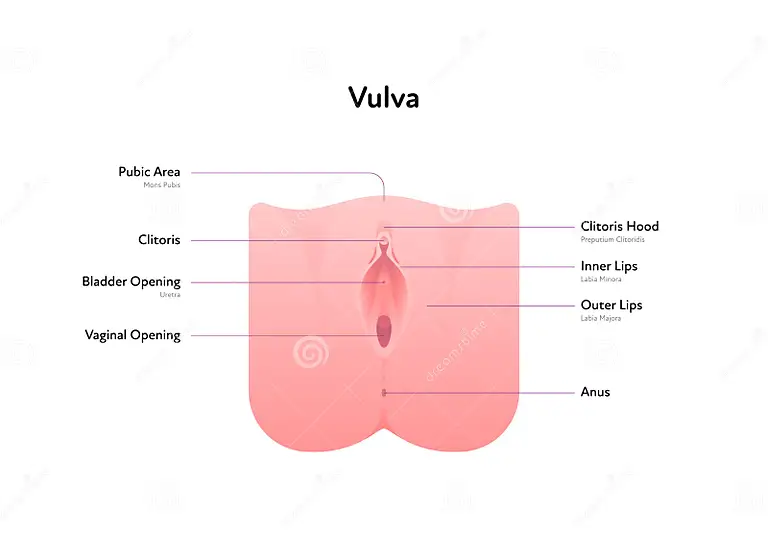
These variations can include differences in the size and fullness of the outer labia (labia majora), the length or position of the inner labia (labia minora), the visibility of certain structures, and the overall contour of the area. Some individuals naturally have more prominent or fuller outer labia, while others have inner labia that extend or rest differently. These differences are simply part of human anatomy and do not indicate any medical problem.
Understanding vulva variation helps people recognize that what they see on their own bodies—or in others—is part of normal biological diversity. Many concerns arise from unrealistic portrayals in media or edited images that present a narrow, inaccurate standard of what vulvas “should” look like.
Why the Vulva Can Look Puffy
A puffy or fuller appearance is often a normal expression of vulva variation. The labia majora contain fatty tissue, connective tissue, and glands, and the amount of this tissue varies widely from person to person. This natural variation can create a soft, rounded, or cushioned look that may become more noticeable depending on clothing, movement, or posture.
Several factors can contribute to a puffy appearance:
- Fuller outer labia: Natural fat distribution can create a soft, cushioned look.
- Inner labia position: Labia minora may sit differently, affecting how clothing rests.
- Elasticity differences: Tissue elasticity varies as part of vulva variation.
- Fluid retention: Temporary swelling from heat, exercise, or hormonal changes.
- Clothing compression: Tight fabrics follow the contours created by vulva variation.
Many people notice increased fullness after physical activity because blood flow to the area rises during exercise. Others may observe changes throughout their menstrual cycle, especially around ovulation or menstruation when hormonal fluctuations can affect tissue sensitivity and fluid balance. These changes are typically harmless and part of the body’s normal rhythm.
How Vulva Anatomy Changes Over Time
The vulva is not static; it changes throughout a person’s life. Hormones, age, childbirth, and natural tissue development all influence its appearance.
- Puberty: The labia grow, darken, and develop their adult shape.
- Adulthood: Hormonal cycles can cause subtle shifts in fullness or sensitivity.
- Pregnancy and childbirth: Increased blood flow and stretching can temporarily alter appearance.
- Menopause: Lower estrogen levels may reduce fullness or elasticity.
These changes are expected and reflect the body’s natural progression through different life stages.
Normal, Healthy, and Common
Medical professionals emphasize that vulva variation is normal, healthy, and extremely common. There is no single “ideal,” “correct,” or “standard” vulva appearance. The differences people see—whether in shape, symmetry, color, or fullness—are simply part of natural anatomy.
Key points to remember:
- No standard look: There is no medically preferred vulva shape or size.
- Variation is expected: Diversity in appearance is the norm, not the exception.
- Usually not a concern: Puffiness without pain, irritation, or other symptoms is typically normal.
Many worries stem from comparing oneself to unrealistic images online or in media. These portrayals often exclude natural variation, leading to unnecessary anxiety. Learning about vulva diversity helps promote body confidence and reduces misconceptions.
What Normal Really Looks Like: A Guide to Vulva Diversity
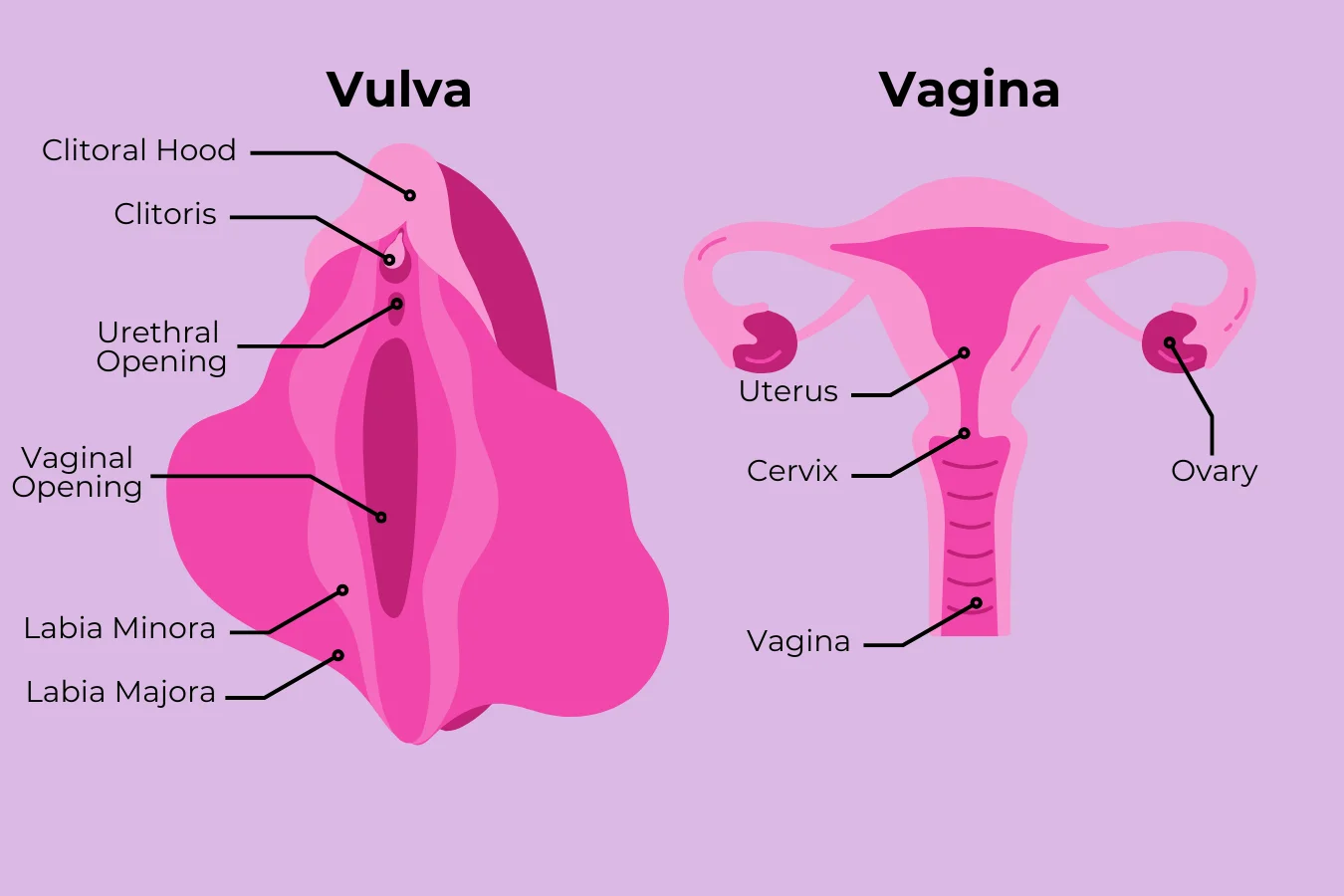
The external anatomy of the vulva includes structures such as the labia majora, labia minora, clitoral hood, and surrounding tissues, each with its own natural range of shapes, sizes, and colors. These features can vary widely from person to person, and differences in labia length, symmetry, and pigmentation are all part of normal human diversity. Genetics, hormones, and age play major roles in how these characteristics develop and change over time.
Many people grow up hearing myths about what a “normal” vulva should look like, which can create unnecessary worry or self‑consciousness. In reality, there is no single standard or ideal appearance. Variations are healthy, common, and not connected to hygiene habits or sexual activity. Understanding this helps reduce stigma and encourages a more confident, body‑positive perspective on vulva anatomy.
Copyright © Dr. Fenwa Milhouse. Shared with credit to the creator.
When to Consult a Healthcare Professional
While vulva variation explains most differences in appearance, certain symptoms should be evaluated by a clinician. If something feels uncomfortable, painful, or suddenly different, it’s important to seek medical guidance.
- Persistent pain or discomfort
- Sudden swelling or redness
- Rashes, sores, or unusual discharge
- Changes that cause worry or interfere with daily life
A clinician can determine whether symptoms are part of normal variation or related to conditions such as infections, cysts, dermatologic issues, or hormonal changes. Most concerns have straightforward explanations and treatments, and professional evaluation can provide reassurance.
Conclusion
Understanding vulva variation empowers individuals to view their bodies with clarity and confidence. Puffiness, asymmetry, and visible outlines in clothing are often just reflections of natural anatomy. By recognizing the wide range of normal appearances, people can reduce unnecessary worry and focus on comfort, health, and self‑acceptance. Education and awareness help create a more realistic and compassionate understanding of the human body.