Call Me: (317) 721-3346

Different Types of Genders
Different Types of Genders
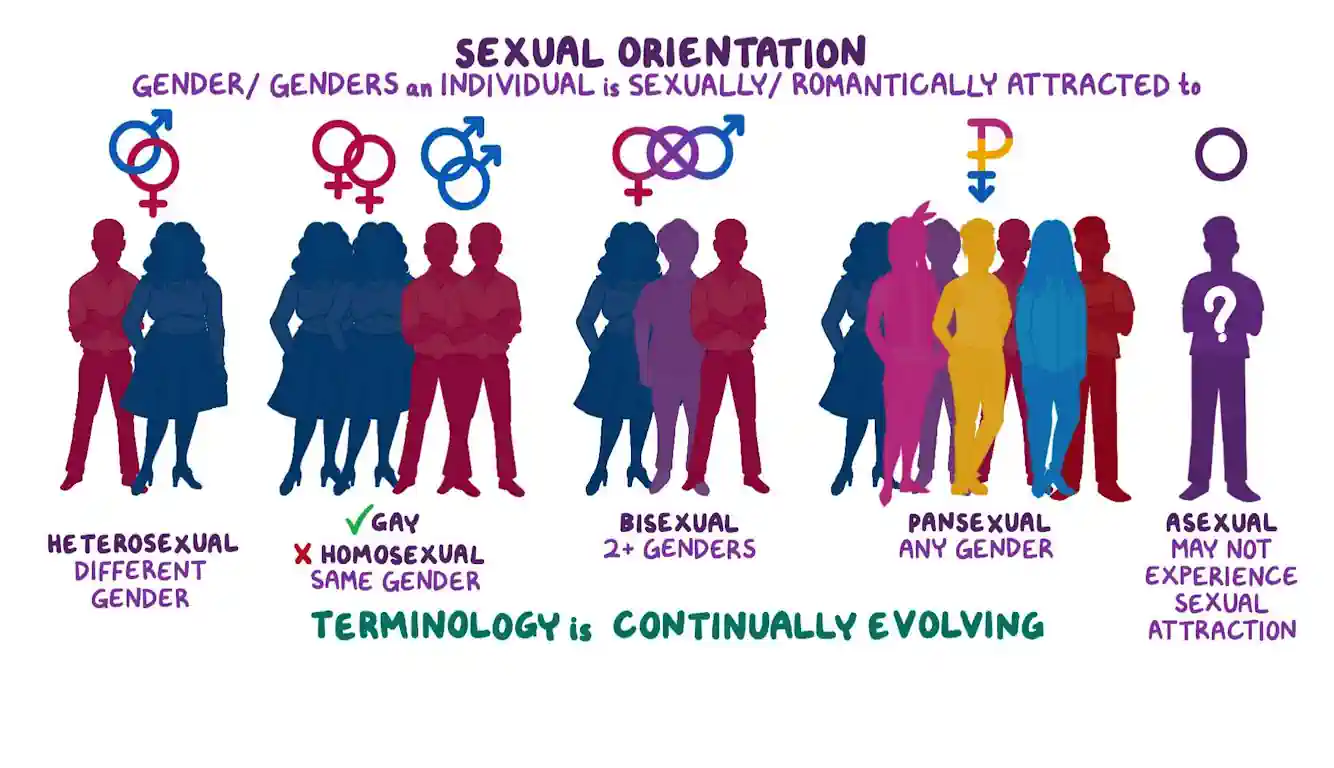
Understanding gender can help people learn more about themselves and others. Gender identity is an important part of how many people understand and describe who they are. Although people have traditionally talked about men and women, gender can be more complex for some individuals. Learning about the Different types of genders can encourage respectful conversations, reduce misunderstandings, and help create a more inclusive society.
What Is Gender?
HGender refers to the social, cultural, and personal experiences associated with being a man, a woman, both, neither, or another gender. Gender identity describes a person’s internal understanding of their own gender. For some people, their gender identity matches the sex they were assigned at birth. For others, it does not.
When exploring the Different types of genders, it is helpful to remember that people may use different words to describe their experiences. Not everyone uses the same labels, and some people prefer not to use a specific label at all.
Common Gender Identities
1. Male or Man
A man is a person who identifies as male. Many men identify with the gender they were assigned at birth, while transgender men may identify as male even though they were assigned a different sex at birth.
2. Female or Woman
A woman is a person who identifies as female. Many women identify with the gender they were assigned at birth, while transgender women identify as women even though they were assigned a different sex at birth.
3. Nonbinary
Nonbinary is an umbrella term for people whose gender identity does not fit exclusively into the categories of man or woman. A nonbinary person may identify with multiple genders, somewhere between genders, or outside the traditional gender categories.
4. Genderfluid
Genderfluid describes a gender identity that may change over time. A genderfluid person might feel more connected to one gender at certain times and another gender at different times. These experiences vary from person to person.
5. Agender
Agender generally describes someone who does not identify with a gender or feels that gender is not an important part of their identity. Some agender people describe themselves as gender-neutral or without gender.
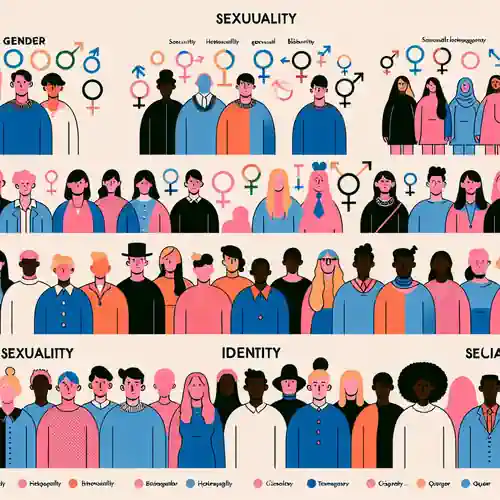
6. Bigender
Bigender describes someone who identifies with two genders. These identities may be experienced simultaneously or at different times, depending on the individual.
7. Genderqueer
Genderqueer is a term used by some people whose gender identity or expression falls outside conventional expectations. Some use it as a broad label for a gender that does not fit neatly into the categories of man or woman.
8. Transgender
Transgender describes people whose gender identity differs from the sex they were assigned at birth. Transgender people may be men, women, nonbinary, or have another gender identity. Being transgender does not determine a person’s sexual orientation.
9. Cisgender
Cisgender describes someone whose gender identity aligns with the sex they were assigned at birth. For example, someone assigned female at birth who identifies as a woman may describe herself as cisgender.
10. Two-Spirit
Two-Spirit is a term used by some Indigenous people in North America. It can reflect specific cultural, spiritual, gender, or social roles within particular Indigenous communities. It is not a general label for everyone, and its meaning varies among communities
Other Gender Identity Terms
There are many additional terms people may use to describe their gender. When learning about the Different types of genders, remember that these labels are personal, and their meanings can vary between individuals and communities.
- Demigender: A partial connection to a particular gender.
- Demiboy: Someone who identifies partly, but not entirely, as a boy or man.
- Demigirl: Someone who identifies partly, but not entirely, as a girl or woman.
- Pangender: A term some people use when they identify with many or all genders.
- Neutrois: A term sometimes used for a neutral or null gender identity.
- Androgynous: Often describes a gender expression that combines masculine and feminine qualities, though some people also use related terms for identity.
- Gender-nonconforming: Describes people whose appearance or behavior does not follow conventional gender expectations. It does not necessarily indicate a particular gender identity.
Gender Identity and Gender Expression
Gender identity and gender expression are related, but they are not the same thing. Gender identity is how someone understands their own gender internally. Gender expression is how someone presents themselves through clothing, hairstyle, voice, behavior, or other outward characteristics.
For example, a man may enjoy clothing that people traditionally associate with women and still identify as a man. A person’s appearance does not automatically reveal their gender identity. Understanding the Different types of genders means recognizing that people should be able to describe their own identities.
Gender Identity Versus Sexual Orientation
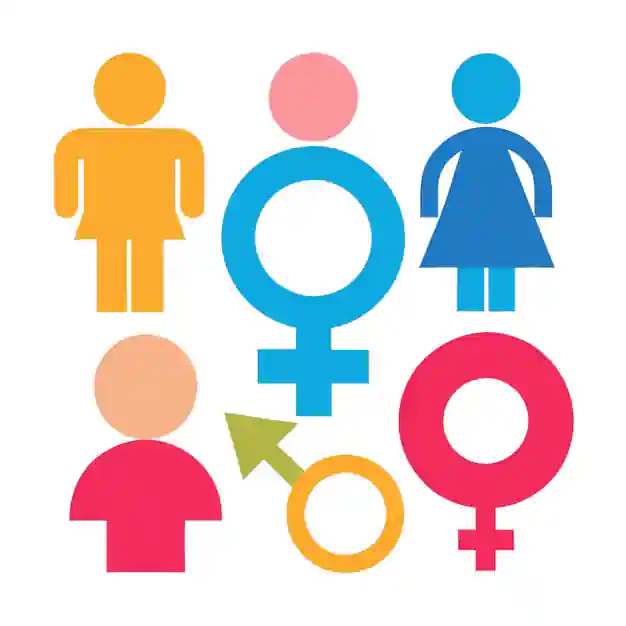
Gender identity is about who a person is in terms of gender. Sexual orientation describes a person’s patterns of romantic, emotional, or sexual attraction. These are separate aspects of a person’s identity.
- Gender identity: How someone understands and identifies their gender.
- Sexual orientation: Who someone may be romantically, emotionally, or sexually attracted to.
- Gender expression: How someone communicates or presents their gender outwardly.
A transgender person can be straight, gay, bisexual, asexual, or have another sexual orientation. Likewise, nonbinary people can have many different sexual orientations.
Why Learning About Gender Diversity Matters
Learning about the Different types of genders can help people communicate with greater understanding and avoid making assumptions. Respectful language can make workplaces, schools, healthcare settings, and communities more welcoming.
- Listen when people explain how they identify.
- Use a person’s name and pronouns when you know them.
- Avoid assuming someone’s gender from their appearance.
- Ask respectful questions when appropriate, while recognizing that nobody is required to explain their identity.
- Understand that terminology and personal preferences can change over time.
Respect does not require everyone to have the same experiences or understand every term immediately. It does require treating people with dignity and allowing them to describe themselves.
Frequently Asked Questions
How many gender identities are there?
There is no single universally accepted number. Gender terms vary across cultures, communities, and individuals. Some people identify as men or women, while others use nonbinary or more specific terms.
Is nonbinary a gender identity?
Yes. Nonbinary is an umbrella term for people whose gender identity does not fit exclusively within the categories of man or woman.
Can gender identity change over time?
For some people, gender identity remains consistent throughout life. Others experience changes and may use terms such as genderfluid to describe those experiences.
Are gender identity and biological sex the same?
No. Sex refers to biological traits used in classifications such as female, male, and intersex. Gender identity refers to a person’s internal understanding of their gender. These concepts are related but distinct.
How can I be respectful of different gender identities?
Listen to people, use the names and pronouns they request, avoid assumptions, and remain open to learning. If you make a mistake, a brief apology and correction is usually more helpful than making the interaction about the mistake.
Final Thoughts
Gender is a personal and sometimes complex part of human experience. Learning about the different types of genders can help readers understand terminology, recognize individual differences, and communicate more respectfully. No single list can capture every person’s experience, and not everyone will identify with a specific label.
The most important principle is to respect how people describe themselves. By approaching gender diversity with curiosity, kindness, and an open mind, we can help build a world where people feel more comfortable being themselves.