Male to Female Sex Change

An Overview of Male-to-Female Gender-Affirming Surgery and Care
Male to Female Sex Change Journey: This image represents the personal journey many transgender women experience while exploring gender identity, self-expression, and medical transition options. Each person’s experience is unique, with different goals, timelines, and personal considerations shaping the path they choose.
For many transgender women, a male to female sex change represents an important step in aligning their physical body with their gender identity. Modern gender-affirming healthcare offers a variety of treatment options that can help individuals achieve their desired outcomes while improving overall well-being and self-confidence.
What Is a Male to Female Sex Change?
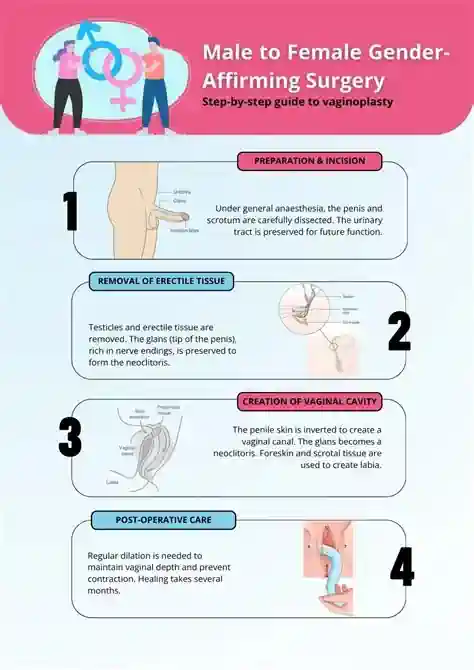
Understanding the procedures, treatments, and personal journey involved in a male-to-female transition.
Medical Consultation and Planning
Before embarking on any medical transition, individuals typically consult qualified healthcare providers who specialize in transgender healthcare. These consultations help establish goals, expectations, and treatment recommendations.
A male to female sex change refers to various medical and surgical procedures that help transgender women develop physical characteristics that align with their gender identity. Not every transgender woman chooses surgery, and transition plans vary greatly depending on personal goals and circumstances.
The Importance of Gender-Affirming Care
Gender-affirming care focuses on helping individuals live authentically while reducing gender dysphoria. Research has shown that access to affirming healthcare can positively impact mental health, emotional well-being, and overall quality of life.
For many individuals, a male to female sex change is one component of a larger transition process that may also include social, legal, and medical changes.
Hormone Therapy Before Surgery
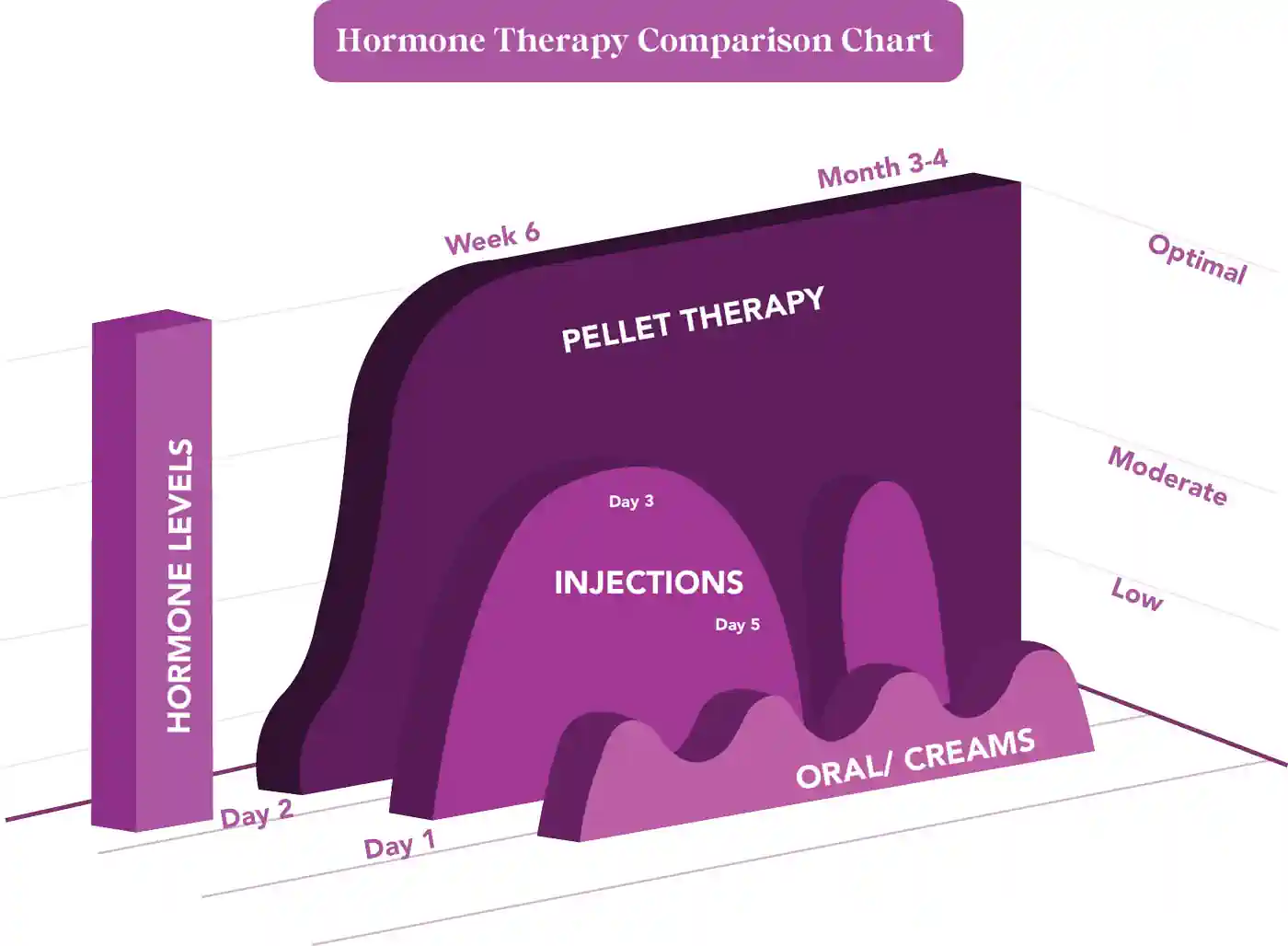
Discover how hormone therapy influences physical changes and surgical planning during transition.
Hormone Replacement Therapy (HRT)
Hormone replacement therapy is often one of the first medical steps many transgender women pursue. Estrogen and testosterone-blocking medications can contribute to gradual physical changes that support a more feminine appearance.
- Breast development
- Softer skin texture
- Changes in body fat distribution
- Reduced muscle mass
- Decreased body hair growth
While hormone therapy alone can produce significant changes, some individuals pursue a male to female sex change to achieve results beyond what hormone treatment can provide.
Gender-Affirming Surgical Procedures
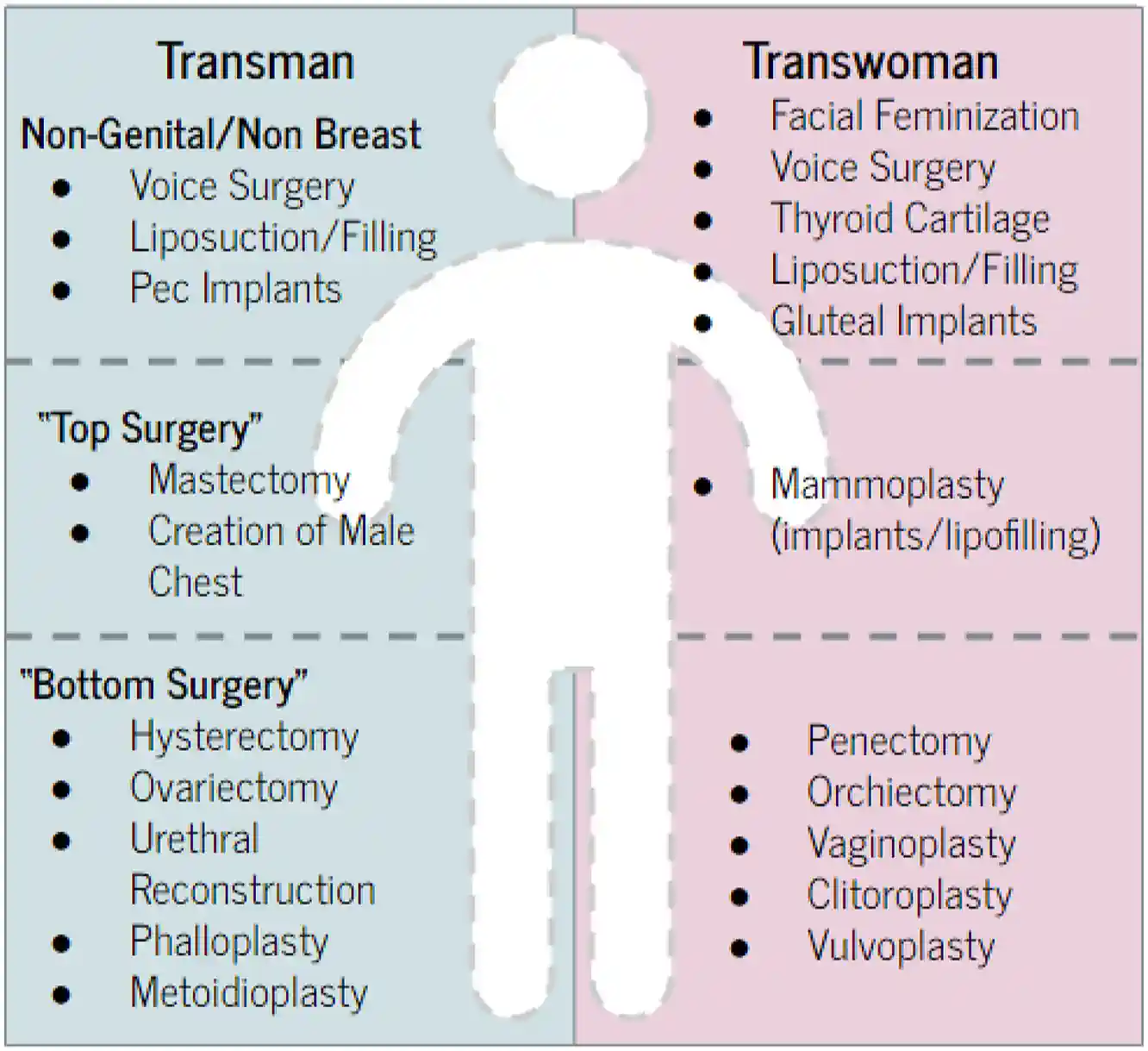
An overview of the surgical options available to help align physical characteristics with gender identity.
Surgical Treatment Options
Surgical procedures are highly individualized and selected based on personal goals, anatomy, medical history, and desired outcomes. Experienced surgeons work closely with patients to develop customized treatment plans.
Vaginoplasty
Vaginoplasty is one of the most recognized procedures associated with a male to female sex change. The procedure involves creating external genital structures and a vaginal canal using existing tissue and advanced surgical techniques.
Breast Augmentation
While hormone therapy often promotes breast growth, some individuals choose breast augmentation to achieve their preferred size, shape, and appearance.
Facial Feminization Surgery
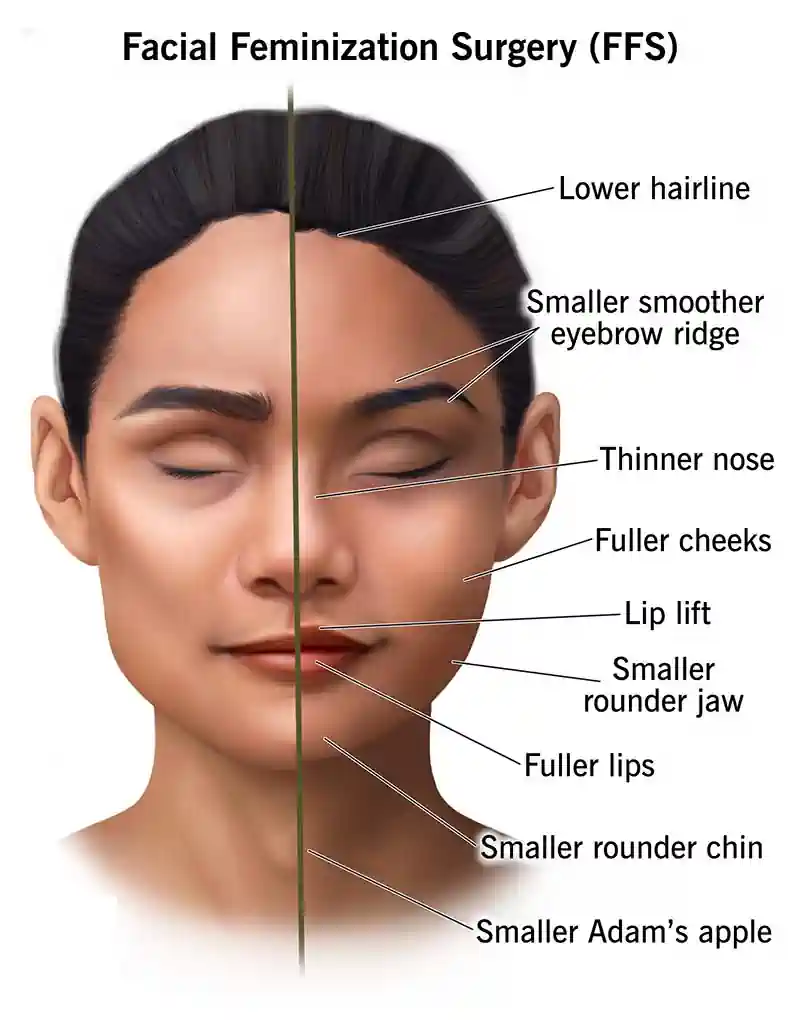
Facial Feminization Surgery: Procedures, Benefits, Recovery, and Results
Creating More Feminine Facial Features
Facial feminization surgery includes procedures designed to soften facial features commonly perceived as masculine. These procedures can dramatically influence facial appearance and social perception.
- Forehead contouring
- Jaw reshaping
- Chin refinement
- Rhinoplasty
- Hairline advancement
Facial feminization can be an important component of a male to female sex change because facial features often play a significant role in daily social interactions.
Body Contouring Procedures

Body Contouring Procedures: Benefits, Recovery, and Transformation Results
Achieving Feminine Body Proportions
Body contouring procedures can help create a more traditionally feminine silhouette by reshaping the waist, hips, thighs, and buttocks. These treatments may involve liposuction, fat transfer, or other techniques.
Many individuals undergoing a male to female sex change choose body contouring to complement the effects of hormone therapy and improve overall body proportions.
Recovery and Healing Process

Recovery and Healing Process: Timeline, Care Instructions, and Expected Results
Post-Operative Recovery
Recovery times vary depending on the procedures performed. Following post-operative instructions carefully is essential for healing, comfort, and long-term results.
- Attend all follow-up appointments
- Follow surgeon recommendations
- Avoid strenuous activities during recovery
- Maintain proper hygiene
- Monitor healing progress
Individuals considering a male to female sex change should be prepared for the time and commitment required during recovery.
Emotional and Social Support

Emotional and Social Support: Mental Health, Community, and Personal Growth
The Importance of Support Networks
Trusted friends, family members, counselors, and support groups can provide valuable emotional support throughout the transition process. Strong support systems often contribute positively to long-term well-being.
Emotional adjustment continues long after a male to female sex change, making access to supportive resources an important aspect of overall care.
Cost and Financial Planning
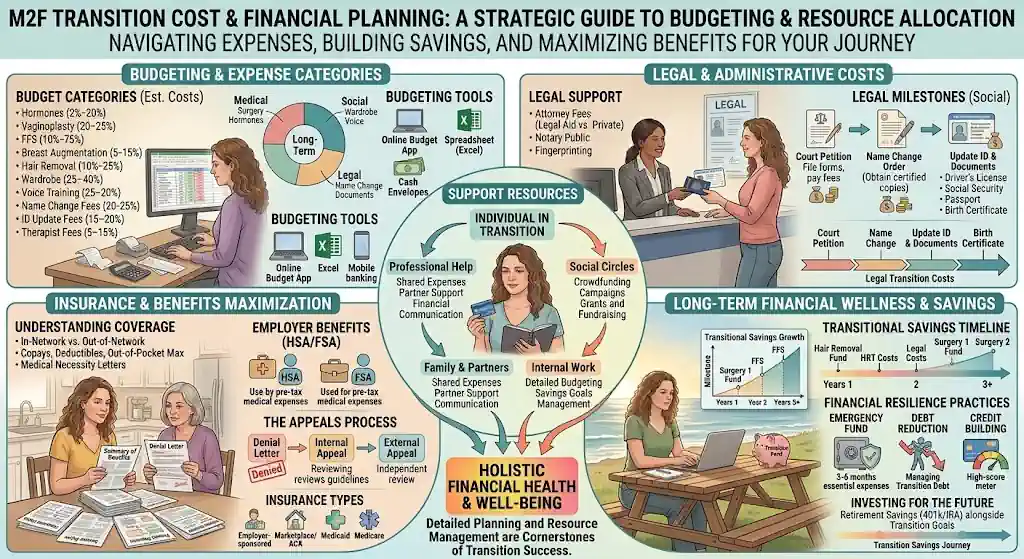
Cost and Financial Planning: Expenses, Insurance, Financing, and Budgeting
Planning for a Male to Female Sex Change involves more than preparing for the surgical procedure itself. It is important to consider the full financial picture, including consultation fees, surgical costs, anesthesia, hospital expenses, post-operative care, medications, and any necessary follow-up treatments. Some individuals may also benefit from exploring insurance coverage, financing options, or payment plans to help manage expenses. By developing a clear financial strategy in advance, patients can focus on their transition journey with greater confidence and peace of mind while minimizing unexpected costs during recovery and long-term care.
Understanding Treatment Costs
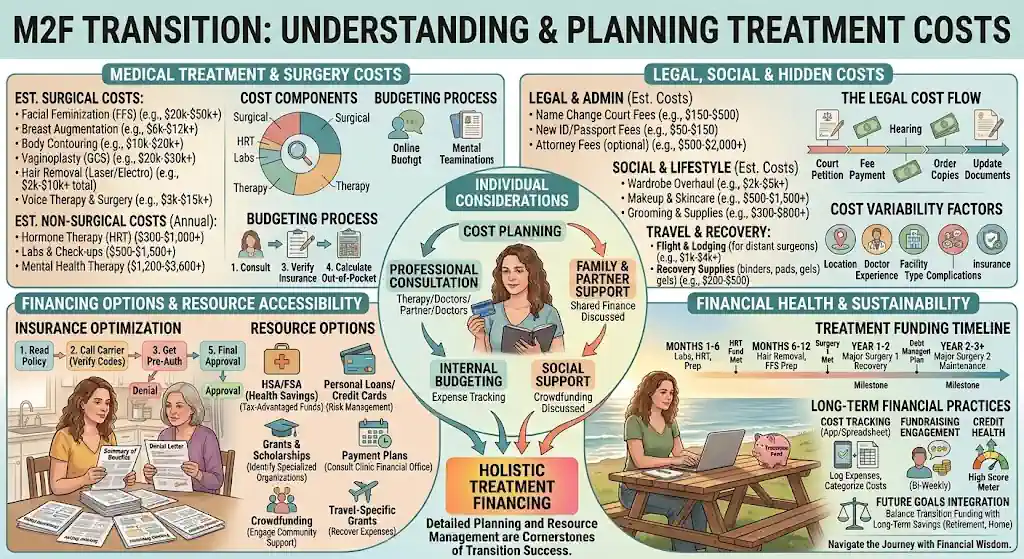
Understanding Treatment Costs: Procedures, Fees, Financing, and Insurance
The cost of transition-related healthcare can vary significantly depending on location, procedures performed, surgeon experience, and insurance coverage. Individuals are encouraged to research costs and verify insurance benefits before proceeding.
Financial planning can help make a male to female sex change more manageable and reduce unexpected expenses throughout the treatment process.
Conclusion
Moving Forward with Confidence and Understanding
A male to female sex change is a deeply personal journey that involves careful planning, qualified medical guidance, and realistic expectations. From hormone therapy and facial feminization procedures to surgical interventions and recovery, every step is designed to help individuals align their physical appearance with their gender identity.
While every transition journey is unique, access to experienced healthcare providers, emotional support systems, and accurate information can help individuals make confident decisions about their future. Understanding the available options, recovery requirements, and potential outcomes empowers transgender women to pursue the path that best meets their personal goals.
Ultimately, a male to female sex change is about authenticity, self-expression, and improving quality of life. With proper preparation and support, many transgender women find increased confidence, greater personal satisfaction, and a stronger connection between their identity and appearance.