
Why Some Women Are Born With Three Breasts
Women born with three breasts represent a rare anatomical variation that can occur during early human development. Although the concept may sound unusual, the explanation behind this condition is rooted in the normal biological processes that take place before birth.
Medical science refers to the presence of additional breast tissue as polymastia. This condition occurs when extra breast tissue forms along structures known as mammary ridges, sometimes called milk lines. Understanding how this process occurs helps explain why rare variations like this sometimes appear in human anatomy.
Early Human Development and the Milk Line
Women Born With Three Breasts Develop From the Mammary Ridge
The Formation of the Milk Line
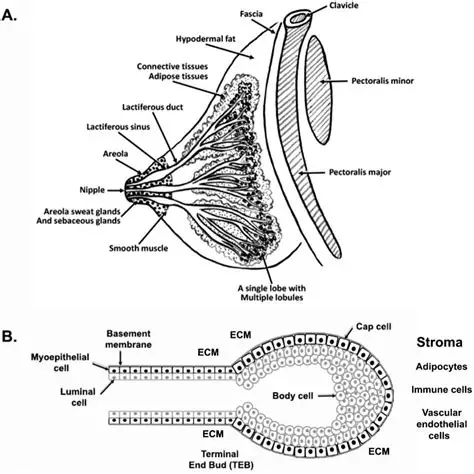
During early fetal development, the embryo forms structures known as mammary ridges. These ridges run from the armpit area down toward the abdomen and groin. Both males and females develop these structures during the earliest stages of pregnancy.
Normal Breast Development
As development continues, most of the tissue along the mammary ridge disappears. The only portion that normally remains is the area located in the chest, where the two breasts eventually develop.
When Extra Tissue Remains
In rare cases, some of the tissue along the milk line does not disappear. If this tissue continues to develop, it may form additional breast tissue, which can sometimes appear as a third breast.
Medical Conditions Related to Extra Breast Tissue
Understanding Polymastia and Related Conditions
Women Born With Three Breasts May Have Polymastia
Definition of Polymastia
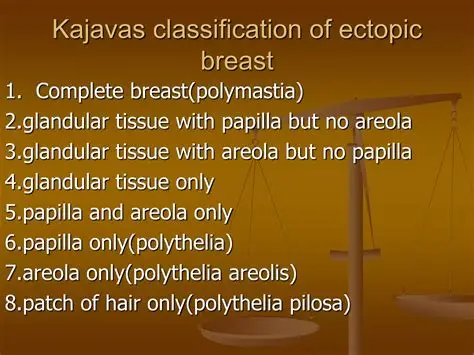
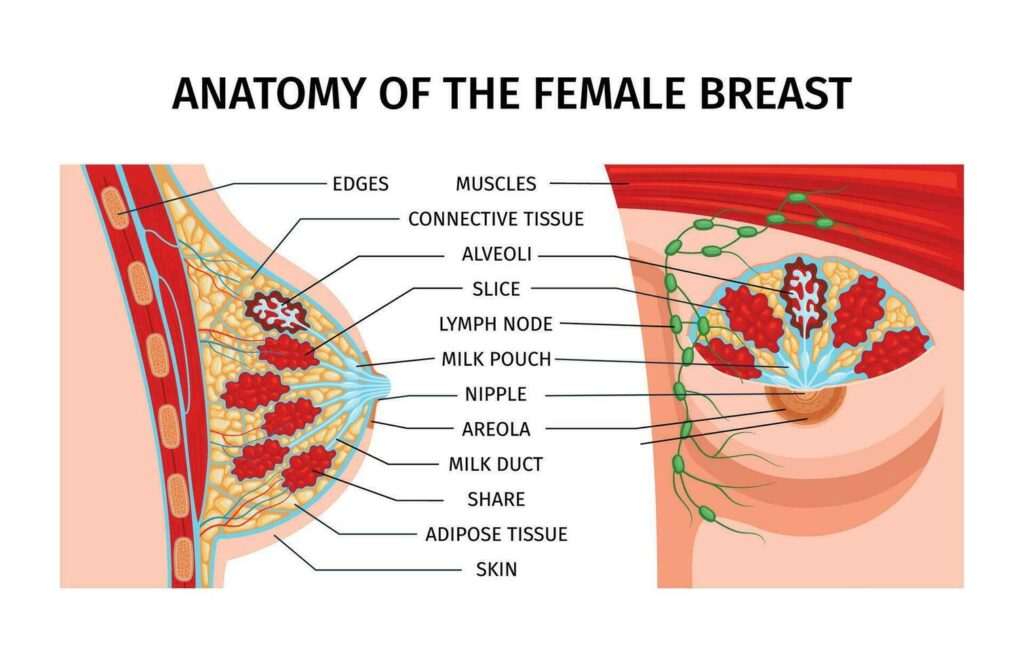
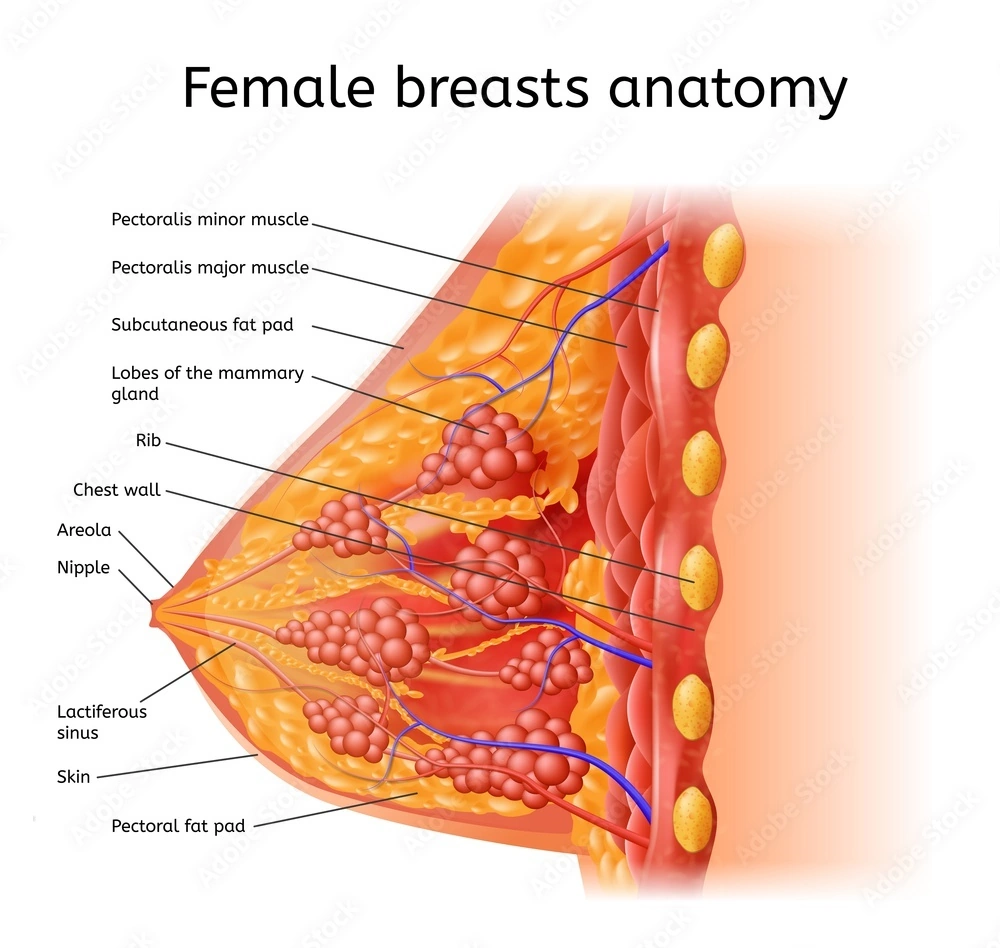
Polymastia is the medical term used to describe the presence of additional breast tissue beyond the normal pair of breasts. This tissue can vary in size and may or may not include a nipple or areola.
How It Appears
In some individuals, the extra tissue appears as a small mound or partially developed breast. In other cases it may be less noticeable and appear as a subtle thickening of tissue beneath the skin.
Related Condition: Polythelia
Another related condition is polythelia, which involves extra nipples rather than full breast tissue. This condition is actually more common than polymastia.
Hormonal Effects on Extra Breast Tissue
How Hormones Influence Development
Women Born With Three Breasts May Experience Hormonal Changes
Puberty and Breast Growth
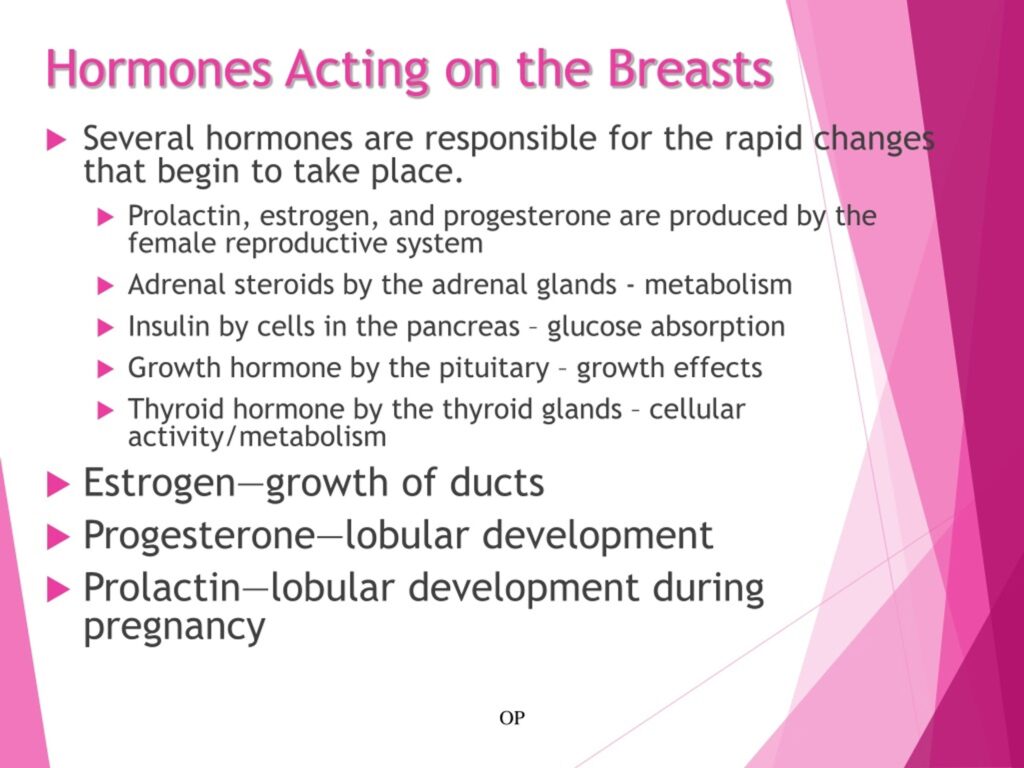
During puberty, hormones stimulate the growth and development of breast tissue. If additional breast tissue is present, it may respond to these hormones and grow along with the other breasts.
Pregnancy and Breastfeeding
Hormonal changes during pregnancy may also affect extra breast tissue. Because the tissue contains similar glands, it may become larger or more sensitive during this time.
Hormonal Sensitivity
Extra breast tissue can sometimes react to hormonal cycles in the body, which may cause temporary swelling or tenderness.
How Rare the Condition Is
Medical Research and Statistics
Women Born With Three Breasts Are Extremely Rare
Statistical Occurrence
Medical studies suggest that variations along the milk line occur in a small percentage of the population. However, fully developed additional breasts are much less common.
Occurrence in Both Genders
Because mammary ridges form in all embryos, both men and women can develop extra breast tissue. However, it is more noticeable in women because breast tissue develops further during puberty.
Public Perception
Popular culture sometimes exaggerates rare anatomical conditions. In reality, polymastia is simply a developmental variation rather than a mysterious or unexplained phenomenon.
Medical Monitoring and Treatment Options
Healthcare and Personal Choices

Women Born With Three Breasts May Seek Medical Advice
Routine Monitoring
Doctors may monitor extra breast tissue during routine medical exams. In most cases the condition does not cause serious health issues.
Possible Symptoms
Some individuals may experience tenderness, swelling, or discomfort in the extra tissue during hormonal changes.
Surgical Removal
If the tissue causes discomfort or cosmetic concerns, surgical removal may be an option. These procedures are usually minor and performed by qualified medical professionals.
Conclusion
Understanding Rare Biological Variations
Women Born With Three Breasts Represent Natural Biological Diversity
Understanding the Condition
Women born with three breasts illustrate how complex human development can be. Small variations in embryonic growth can sometimes result in rare anatomical differences such as additional breast tissue.
The Role of Medical Research
Medical research continues to study developmental conditions like polymastia to better understand how the human body forms before birth. These studies provide insight into the biological processes that shape human anatomy.
The Importance of Awareness
Education and awareness help people understand rare conditions and reduce stigma surrounding unusual anatomical variations. When people learn the scientific reasons behind these conditions, they often view them as natural differences rather than abnormalities.
Ultimately, women born with three breasts highlight the remarkable diversity of human biology. The human body develops through an incredibly complex series of biological processes, and occasional variations remind us that anatomy does not always follow a single pattern. By continuing to study and understand these rare conditions, medical science can deepen its knowledge of human development and improve healthcare for future generations.

I’m a creative professional specializing in web design, movie reviews, audio editing, and photo editing—blending visual storytelling, sound, and critique to deliver engaging digital experiences.