
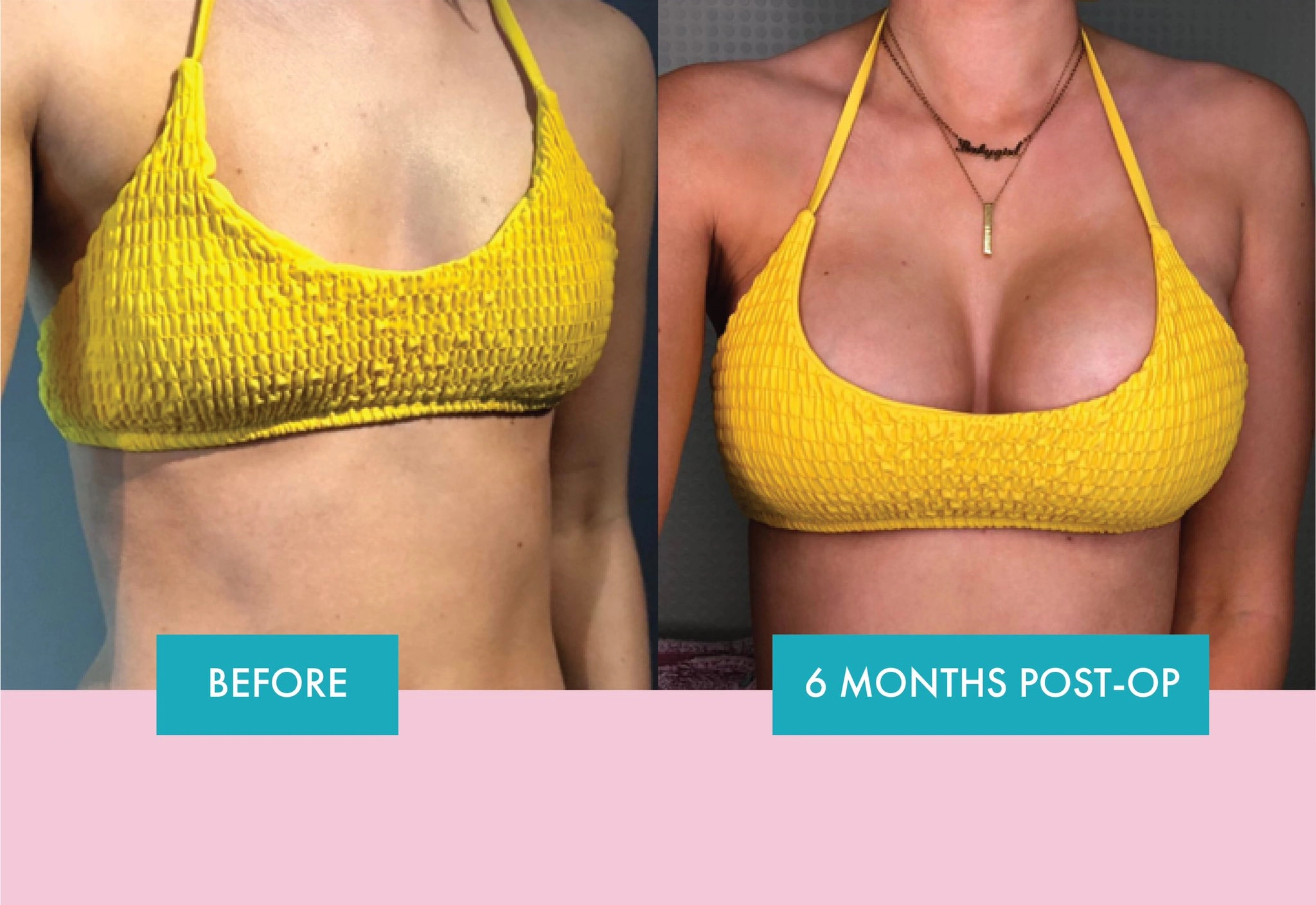
Breast Implants: Pros, Cons, and What to Know Before Making a Decision
Breast implants are one of the most common cosmetic procedures worldwide, helping many people enhance their appearance, restore volume after weight loss or pregnancy, or rebuild breast shape following medical procedures. While breast augmentation can offer confidence-boosting results, it’s important to understand both the benefits and potential drawbacks before deciding if it’s right for you.
This guide breaks down the pros and cons of breast implants in a clear, realistic way so you can make an informed choice.
What Are Breast Implants?
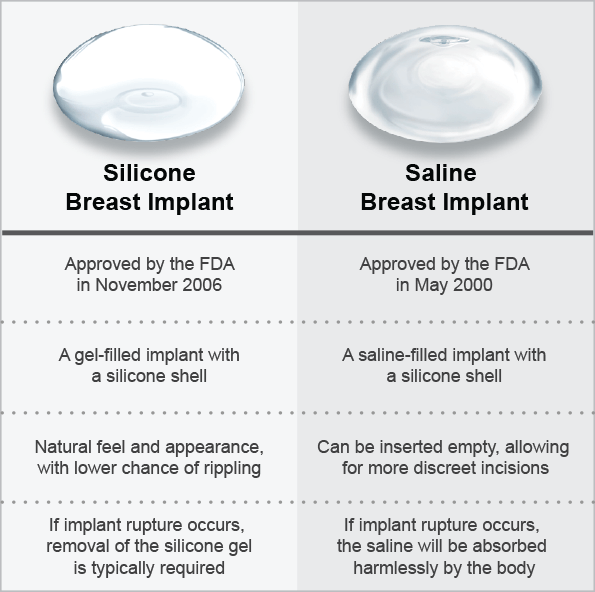
Breast implants are medical devices placed under the breast tissue or chest muscles to increase breast size or improve shape. They typically contain either saline (sterile salt water) or silicone gel, and they come in various sizes, shapes, and profiles.
Pros of Breast Implants
1. Enhanced Appearance and Shape
Breast implants can create fuller, more balanced proportions and help correct asymmetry. Many people choose implants to achieve a silhouette that better matches their body goals.
2. Increased Confidence and Self-Esteem
For many individuals, feeling comfortable in their own body leads to greater confidence in social, professional, and intimate settings.
3. Customizable Results
Implants are highly customizable. You can choose:
- Size
- Shape (round or teardrop)
- Texture
- Placement (above or below the muscle)
This flexibility allows results to be tailored to personal preferences and anatomy.
4. Long-Lasting Results
While not considered lifetime devices, modern breast implants can last 10–20 years or longer with proper care and monitoring.
Cons of Breast Implants
1. Surgical Risks
Like any surgery, breast augmentation carries risks, including:
- Infection
- Scarring
- Bleeding
- Adverse reactions to anesthesia
2. Maintenance and Future Surgeries
Breast implants may require additional procedures over time due to rupture, shifting, or cosmetic changes related to aging or weight fluctuation.
3. Possible Complications
Some individuals experience complications such as:
- Capsular contracture (hardening around the implant)
- Implant rupture or leakage
- Changes in nipple or breast sensation
In rare cases, textured implants have been associated with a specific type of lymphoma (BIA-ALCL), which should be discussed with a qualified surgeon.
4. Cost Considerations
Breast implants can be expensive, and costs often include:
- Surgeon fees
- Anesthesia
- Facility charges
- Future replacement surgeries
Most cosmetic procedures are not covered by insurance.
Is Breast Augmentation Right for You?
Deciding to get breast implants is a personal choice that should be based on realistic expectations, medical guidance, and individual goals. Consulting with a board-certified plastic surgeon is essential to understand the risks, benefits, and options best suited to your body and lifestyle.
Final Thoughts
Breast implants can offer satisfying, confidence-boosting results for many people—but they also require commitment, ongoing care, and a full understanding of potential risks. Taking the time to research and consult with qualified professionals ensures you make the best decision for your health and well-being.

I’m a creative professional specializing in web design, movie reviews, audio editing, and photo editing—blending visual storytelling, sound, and critique to deliver engaging digital experiences.
Leave a Reply